



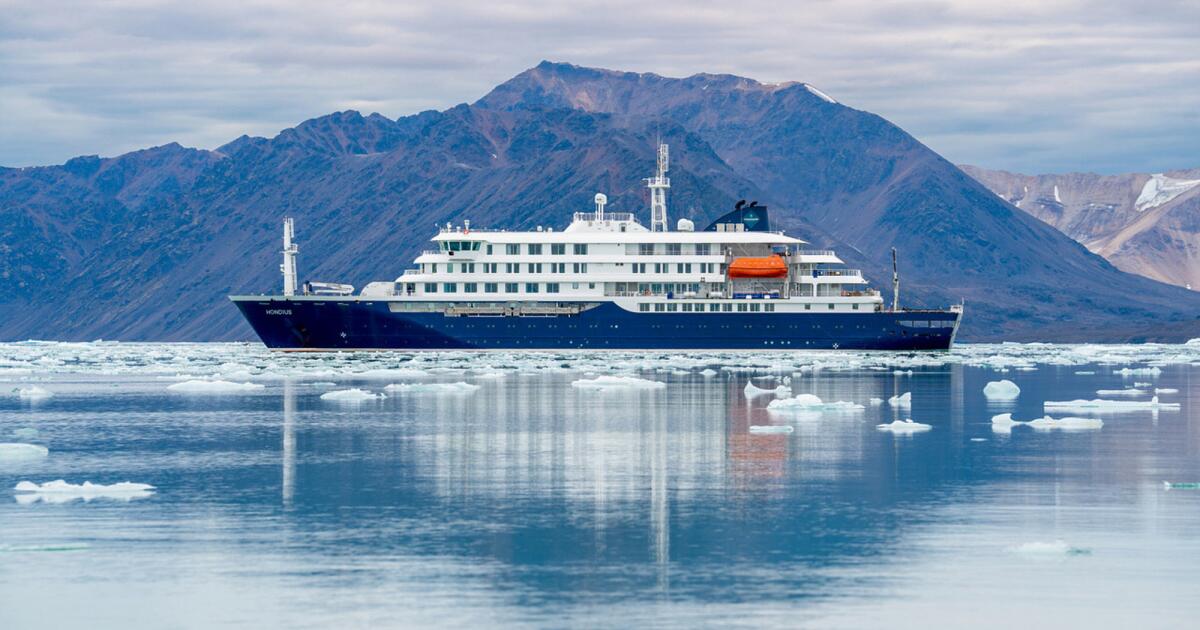
Hantavirus is suspected to have spread on a luxury cruise ship, leading to the deaths of three passengers and raising concerns as this rare disease emerges amid climate changes. A fourth passenger was hospitalized, and two crew members fell ill. The Dutch-flagged ship, MV Hondius, was off Cape Verde, where it was to dock soon after the incidents.
Although hantaviruses are uncommon in the Americas, their high mortality rate makes them a significant public health issue. They are typically spread through inhalation of particles contaminated with mouse excreta; however, some strains, like the Andes virus, can be transmitted between humans. The exact strain responsible for the outbreak on the ship remains unknown.
One of the deaths occurred while the ship was at sea, with the deceased being a Dutch man whose cause of death wasn’t confirmed until later. His wife subsequently fell ill and also died. Other passengers, including a British traveler, were evacuated due to severe illnesses linked to hantavirus infections.
Health experts are exploring potential sources of infection, considering both rodent exposure and possible human transmission. The cruise industry, still recovering from COVID-19 impacts, is wary of this incident’s repercussions.
This outbreak highlights the potential rise of hantavirus cases due to climate change, which could increase rodent populations and their habitats. With no vaccine available, treatment for hantavirus infection is complex and intensive. The average annual cases in the U.S. remain stable, but rising temperatures may complicate future public health responses.
Source link
