



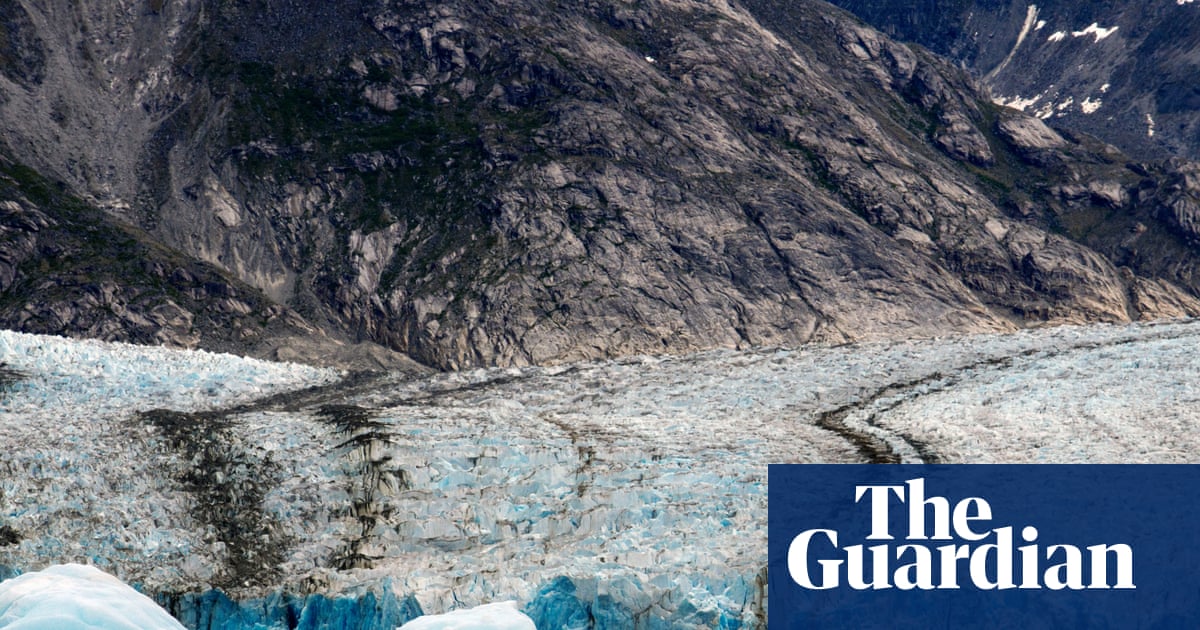
A recent study highlighted the dangers of coastal rock failures and glacier retreat, particularly in Alaska’s fjords, following a massive tsunami event caused by a landslide. In August 2025, a 1 km vertical collapse at South Sawyer Glacier resulted in a tsunami reaching 481 meters (1,578 feet), marking the second-highest ever recorded. The study, led by University of Calgary’s Dan Sugar and published in Science, details how the landslide triggered significant waves, although no fatalities occurred, despite the area’s proximity to multiple cruise ships.
The study emphasizes that such events pose increasing risks as climate change accelerates glacier depletion, affecting coastal environments frequented by tourists. Researchers noted that tsunamis from landslides can exhibit greater heights than those caused by earthquakes due to localized factors in confined water bodies like fjords. Eyewitnesses reported substantial wave activity impacting areas miles away from the landslide site.
With annual cruise passengers expected to grow from 1 million in 2016 to 1.6 million by 2025, the study calls for enhanced monitoring and risk mitigation strategies to protect communities and infrastructure in regions susceptible to these incidents.
