



Boston is aiming to eliminate greenhouse gas emissions by 2050, with Mayor Michelle Wu recently announcing a new five-year climate action plan. The plan seeks to cut emissions by 50% by 2030 and emphasizes immediate actions over long-term goals, fostering collaboration with various partners. Key strategies include:
-
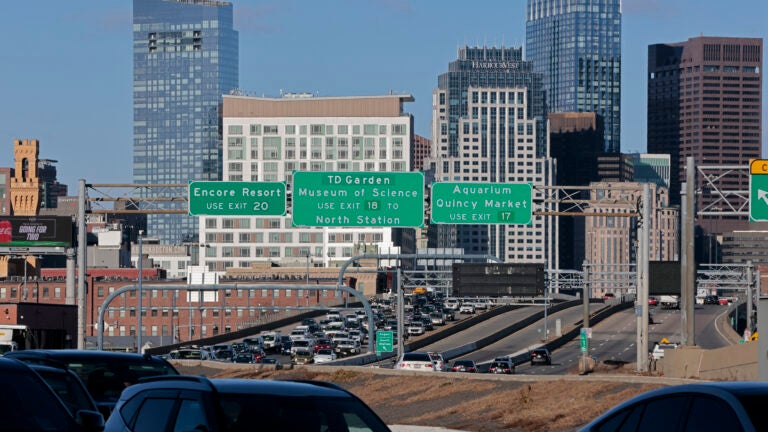
Congestion Pricing: The city plans to study charging drivers in congested areas during peak hours to reduce traffic and emissions, potentially generating revenue for transportation infrastructure. While some support this approach, others are concerned about added costs for residents.
-
Free Bus Fare Initiatives: Since 2022, three MBTA bus routes have been free, leading to a significant increase in ridership. The program relies on federal funds, which are set to expire soon. City officials aim to make these routes permanently fare-free and explore expanding the program.
-
Switching from Gas to Electric Stoves: The city is analyzing the health and emission benefits of converting gas stoves to electric ones and is piloting this initiative in public housing. Future funding for broader implementation may be considered.
-
Decarbonizing Difficult Buildings: A task force is being established to help restaurants and historic buildings transition from gas to electric energy, addressing the complex needs of these structures.
-
Land Acquisition for Open Space: The city plans to acquire land to protect open space and improve community resilience against climate change, while updating conservation programs.
- Expanding Urban Tree Canopy: Officials are working on expanding Boston’s tree canopy to improve air quality, manage stormwater, and sequester carbon, while also aiming to curb tree loss on private properties through updated zoning regulations.
The plan encompasses various initiatives to enhance sustainability while balancing immediate needs and the economic challenges faced by residents.
