



A new study indicates that rising carbon dioxide (CO2) levels in Earth’s atmosphere are measurable in the blood chemistry of humans. Analyzing 20 years of health data from U.S. population databases, researchers observed changes consistent with increased CO2 exposure. While these changes are not currently dangerous, projections suggest that if trends continue, certain blood chemistry levels may approach unhealthy limits by around 2076.
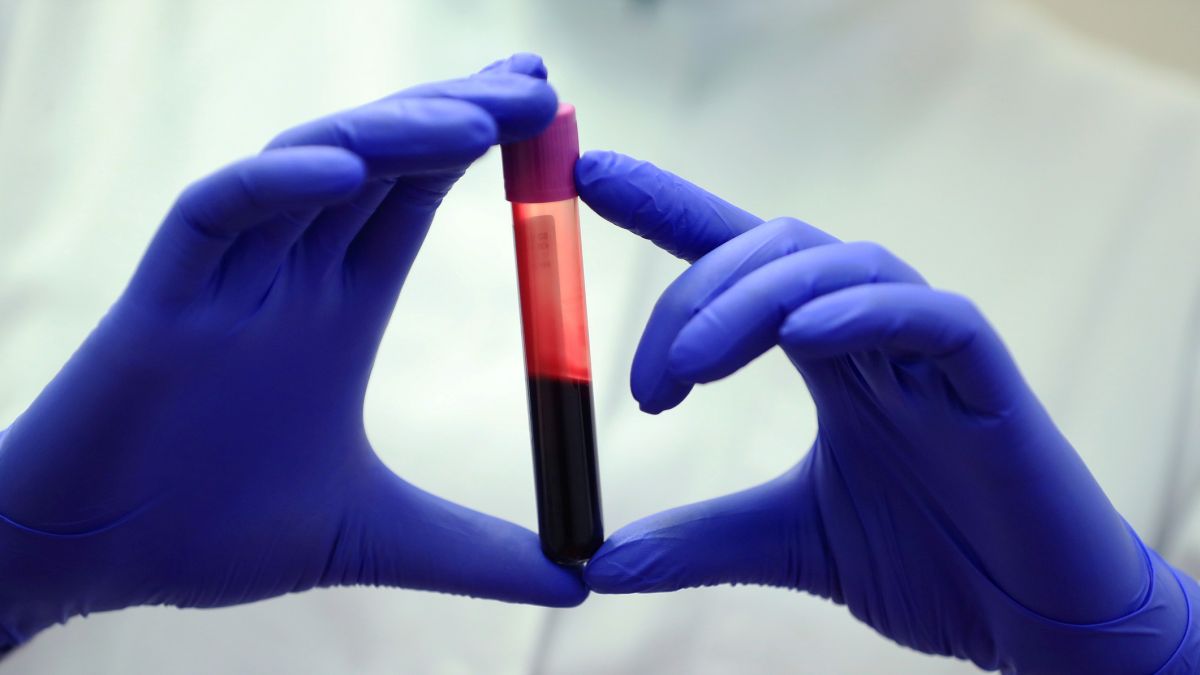
The study highlights that humans significantly contribute to atmospheric CO2, which has surged from roughly 369 ppm in 2000 to 420 ppm today. Researchers focused on bicarbonate levels in blood, which reflect CO2 concentrations; they found an increase from 23.8 to 25.3 milliequivalents per liter over the study period, paralleling CO2 growth. Conversely, calcium and phosphorus levels decreased, possibly due to shifts in the body’s acid-base balance.
The body normally handles this balance well, but ongoing increases in atmospheric CO2 could push physiological limits. The research raises concerns about the body’s adaptability to these changes, as current CO2 levels are the highest experienced by humans. The findings were published in the journal Air Quality, Atmosphere & Health.
