



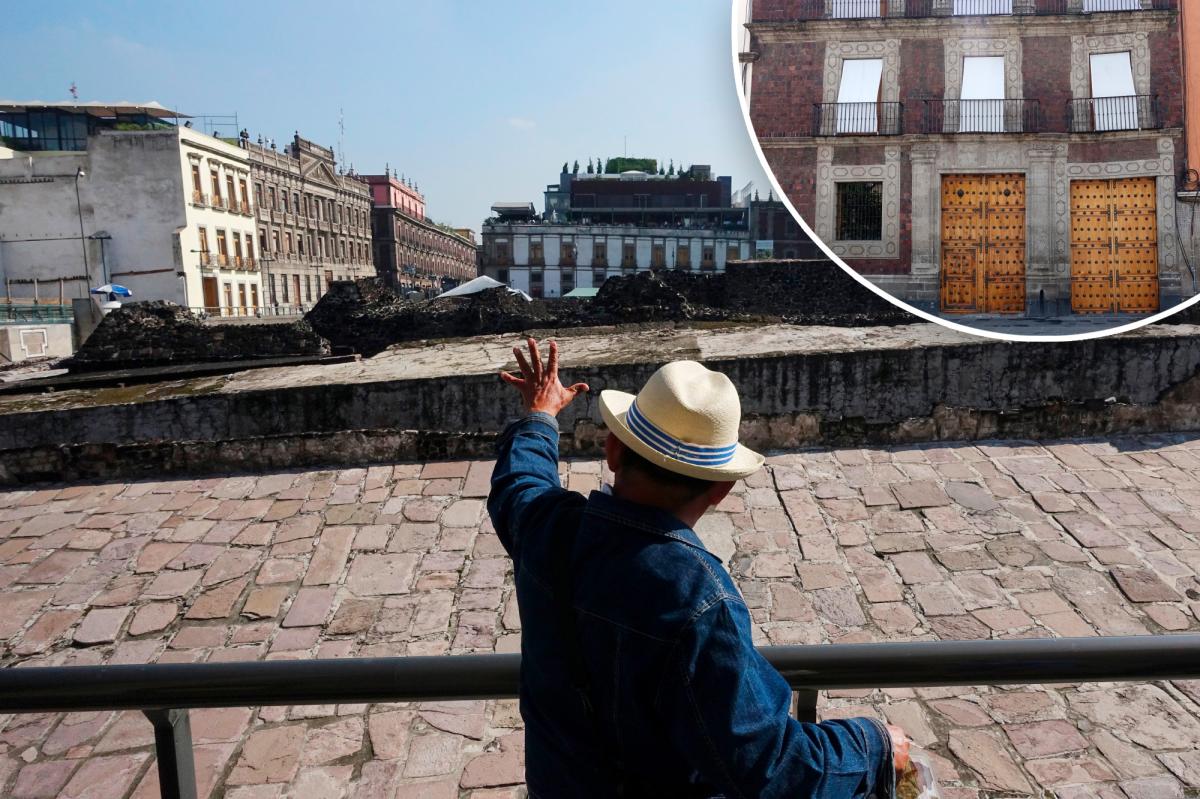
Mexico City, North America’s largest city, is sinking rapidly at a rate of nearly 10 inches per year, as revealed by NASA satellite images. This phenomenon threatens the city’s infrastructure, including its subway and water systems. Built on an ancient lake bed, the city has faced subsidence due to groundwater depletion and urban development, with a significant increase in sinking rates over the last century.
Recent data from NASA’s NISAR satellite has provided detailed monitoring capabilities, showing that some areas experience up to 0.78 inches of subsidence monthly. If this continues, certain locations could sink by more than 39 feet in the next century. The sinking is particularly pronounced in the Ixtapalapa region, where many homes are at risk.
Experts warn that deteriorating aquifers could also lead to water shortages. Future efforts aim to develop a comprehensive understanding of the city’s subsidence to mitigate damage effectively and ensure long-term sustainability.
Source link
