



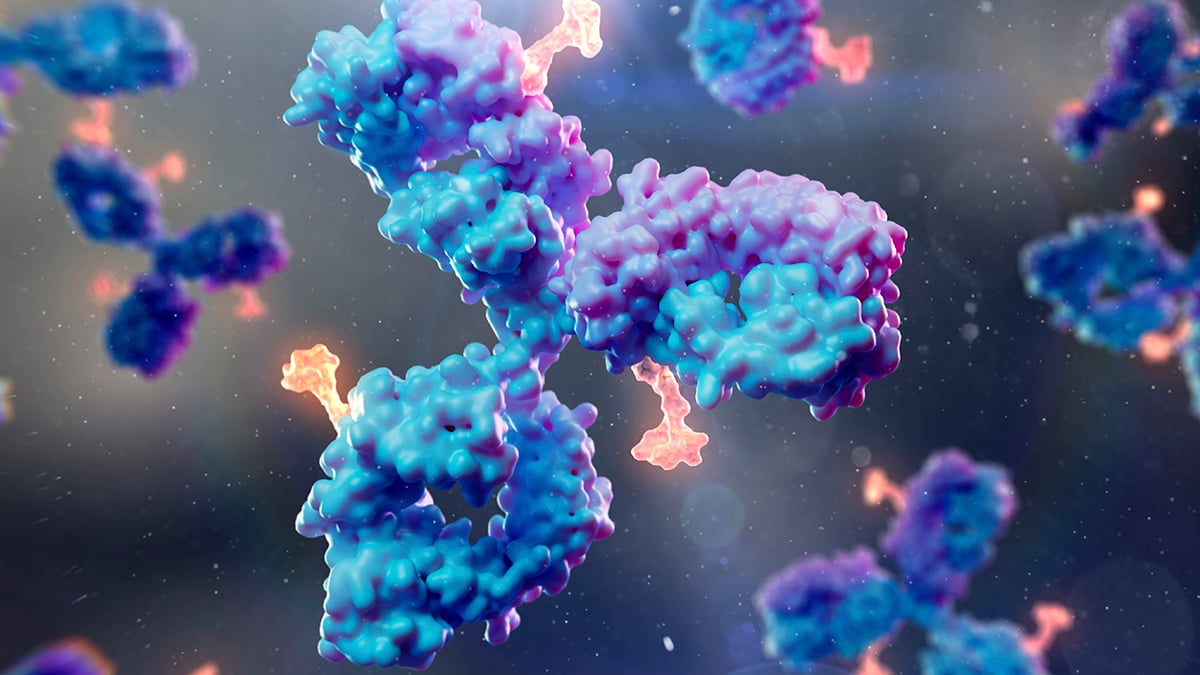
Epstein-Barr virus (EBV), prevalent in about 95% of adults, usually causes no symptoms but can persist for life and is linked to several serious health issues, including cancers and multiple sclerosis. Researchers from the Fred Hutchinson Cancer Center and the University of Washington have made significant progress in combating EBV by developing an antibody that targets two proteins on the virus’s surface. These proteins facilitate the virus’s entry into B cells, crucial components of the immune system.
In experiments with mice, one antibody effectively protected against EBV infection. The research addresses challenges in EBV antibody development, as the virus binds to nearly all B cells, complicating the identification of specific immune cells to create effective antibodies. The team utilized genetically engineered mice to produce human antibodies, enhancing the likelihood of compatibility in future human applications.
By exposing these mice to two EBV proteins—gp350 and gp42—the researchers elicited a strong immune response, isolating ten promising antibodies. One showed notable effectiveness against EBV in live mice. This breakthrough could eventually benefit organ and bone marrow transplant patients, who are especially vulnerable to EBV-related complications like post-transplant lymphoproliferative disorder (PTLD).
The discovery offers new avenues for preventing EBV infections, with the next steps involving human safety testing and clinical trials. The study represents a major advancement in the fight against EBV, potentially improving outcomes for at-risk individuals.
Source link
