



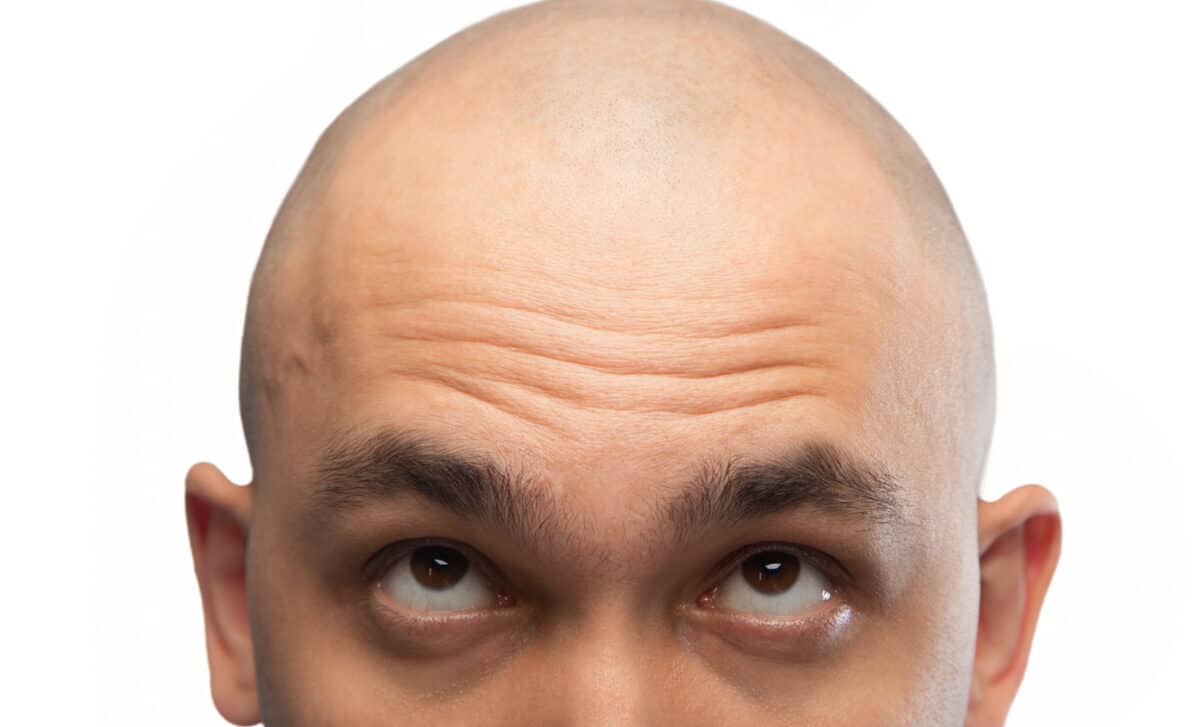
Hair loss is common, affecting up to 50% of men, primarily due to genetics, aging, stress, and hormones. Despite its prevalence, only two FDA-approved drugs exist to treat it, prompting ongoing research for new solutions.
Recent studies focus on 2-deoxy-D-ribose (2dDR), a naturally occurring sugar in the body. Initially investigated for its wound-healing properties at the University of Sheffield and COMSATS University of Pakistan, researchers noticed that hair around healing wounds grows faster. This led to a new study, where they created a testosterone-induced hair loss model in mice and applied 2dDR. The results showed significant hair regeneration, measured by various metrics like hair length and density.
Currently, existing treatments like Minoxidil and Finasteride have limitations, including side effects and gender restrictions. In comparisons, 2dDR demonstrated similar efficacy to Minoxidil, making it a promising, natural, and cost-effective candidate for hair loss treatment.
However, researchers are cautious, noting that these findings are in early stages. They emphasize the need for further studies to explore 2dDR’s potential to enhance blood supply to hair follicles. While the transition from mouse studies to human treatment will take time, this approach could open new avenues for addressing male pattern baldness.
Source link
