



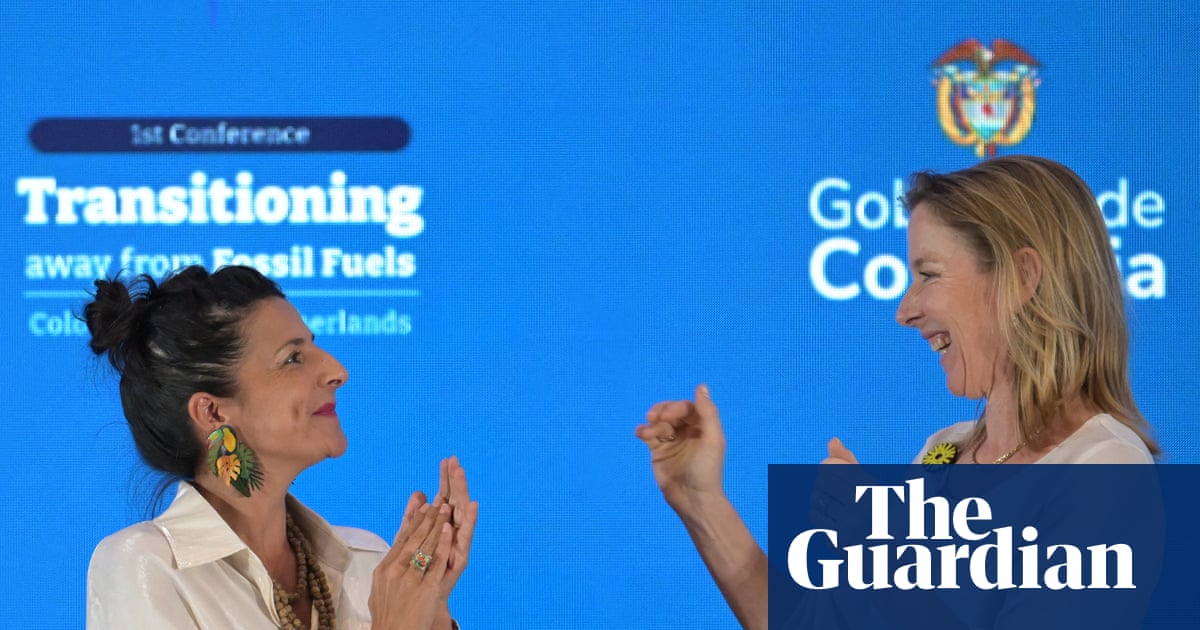
A significant climate change conference in Colombia, involving around 60 countries, has called for nations to create a voluntary “roadmap” aimed at phasing out fossil fuel production and use. This new initiative prioritizes collective political action over the previous annual UN negotiations, which have seen rising greenhouse gas emissions.
Despite the absence of major emitters like the U.S., China, and Russia, the participating countries, which account for over half of global GDP and a considerable portion of energy demand and fossil fuel supply, convened to address fossil fuel dependence and explore strategies for reducing demand. Colombia and the Netherlands co-spearheaded the conference, discussing trade, debt, and socio-economic impacts of fossil fuels.
A key takeaway is France’s announcement of its national roadmap to phase out fossil fuels. While more than half of the attending countries are fossil fuel producers, they lack a unified structure or deadline for the transition, showcasing the personalized nature of each nation’s roadmap.
The meeting’s success reflects frustrations with existing U.N. climate discussions, enabling clearer dialogue on fossil fuel phase-out strategies. A follow-up conference is set for early next year in Tuvalu, where countries will be urged to present concrete plans. Observers have hailed the talks for breaking the deadlock that has hindered decisive action on climate change. Activists emphasized the need for a shift toward renewable energy to combat both climate change and reliance on fossil fuels.
Source link
