



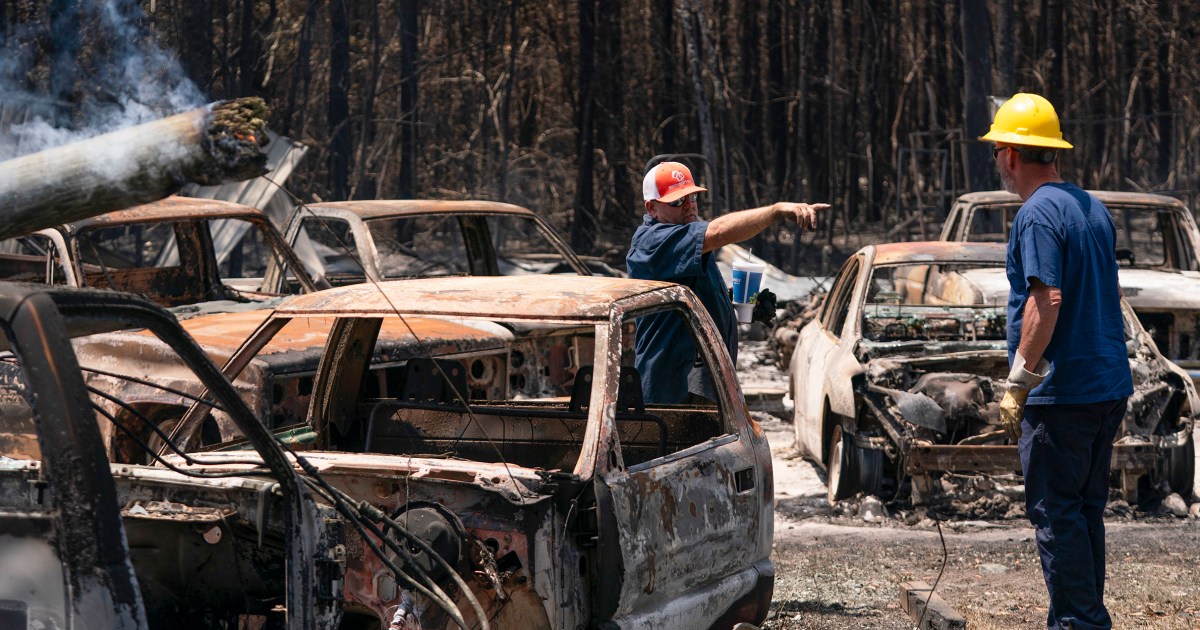
Wildfires in southern Georgia and northern Florida are intensifying due to heat, strong winds, severe drought, and dry vegetation exacerbated by past hurricanes, illustrating long-standing climate change concerns. Caitlin Trudeau, a climate scientist, emphasized that these conditions are unusual yet aligned with climate change projections, as the climate continues to dramatically shift.
Thousands of acres are ablaze, with significant damage, including the destruction of 90 homes in Atkinson, Georgia. Both states have implemented burn bans, and Georgia’s Governor declared a state of emergency in 91 counties. The drought conditions in the Southeast, worsened by remnants of Hurricane Helen, leave behind highly flammable dry vegetation, amplifying wildfire risks.
Experts warn that as the planet warms, catastrophic wildfires will become increasingly common, revealing significant environmental, financial, and health ramifications. Trudeau noted that even historically humid regions are facing heightened wildfire risks due to increased atmospheric thirst and prolonged dry spells. The entire state of Florida is in some level of drought, with Georgia similarly affected.
The ongoing wildfires exemplify the alarming impact of climate change on ecosystems and indicate a challenging future for fire management in various regions.
Source link
