



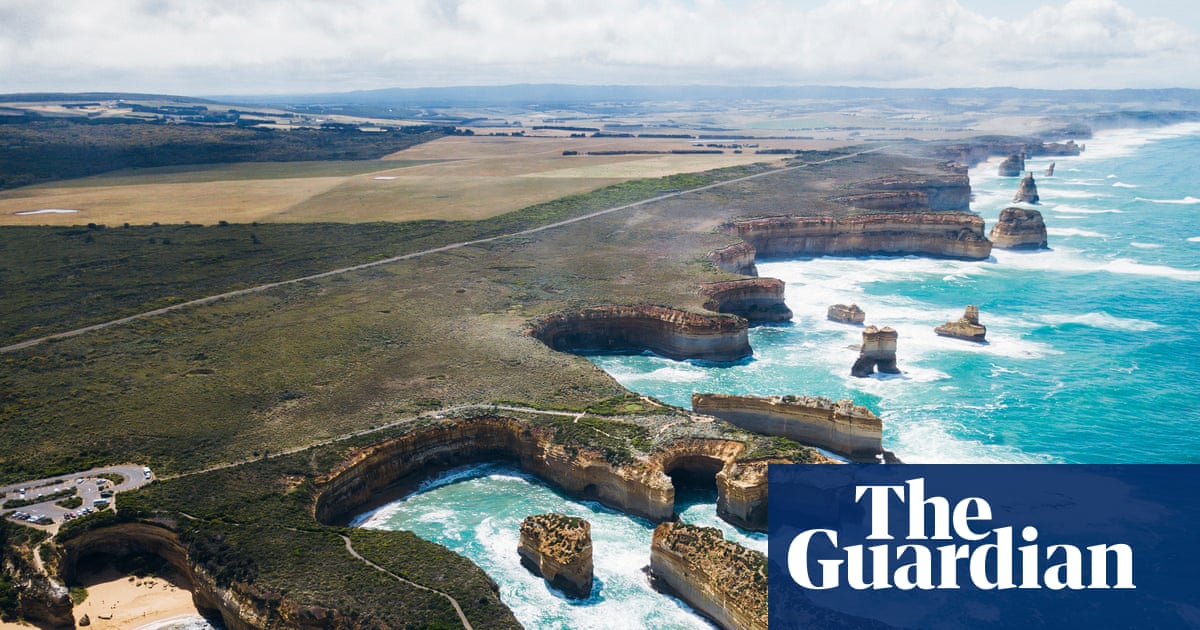
Microscopic fossils in limestone have revealed that Victoria’s Twelve Apostles, a popular tourist destination along the Great Ocean Road, are between 8.6 million and 14 million years old. Professor Stephen Gallagher from the University of Melbourne explained that geological layers show a long history shaped by tectonic movements that tilted and fractured the underlying rock. The Apostles, formed from eroded cliffs, are the most recent outcomes of this geological story.
Research, which incorporates photography, digital mapping, and fossil analysis, provides precise dating of the rock layers. Tiny fossils called foraminifera were particularly helpful in determining the age of these layers. The rocks were formed during the Miocene climate transition, an era leading toward the Ice Age, characterized by significant environmental changes and a flourishing marine ecosystem.
Experts emphasized that understanding the geology of the Twelve Apostles is crucial for comprehending Earth’s history, despite over a century of research still revealing much to learn about these iconic natural features.
Source link
