



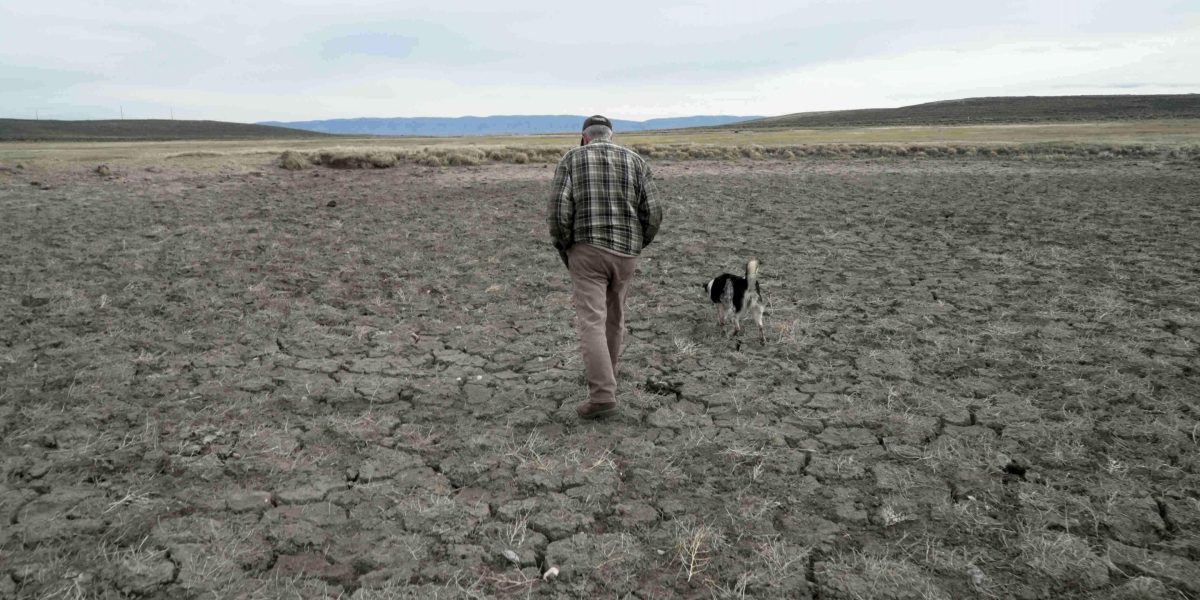
A recent report highlights that drought levels in the continental U.S. are at unprecedented levels for this time of year, with over 61% of the lower 48 states experiencing moderate to exceptional drought. This marks the highest level recorded since monitoring began in 2000.
The National Oceanic and Atmospheric Administration’s Palmer Drought Severity Index revealed March as the driest on record since 1895, following only the Dust Bowl months of 1934. Record heat has resulted in low snowfall in the West, upsetting summer water storage. Climatologist Brian Fuchs noted that the current jet stream pattern is causing storms to miss the West, contributing to this drought.
To alleviate drought conditions, East Texas would need 19 inches of rain in a month, while much of the Southeast requires over a foot. Fuchs indicated this unprecedented spring drought raises concerns given droughts typically peak in summer.
Drought significantly affects the vapor pressure deficit, currently 77% above normal in the West, which reflects how much moisture dry air is absorbing from the ground. This situation poses serious risks for wildfires, as higher heat and drought contribute to more severe fire events.
Cathy Jacobs from the University of Arizona emphasized water concerns for those relying on the Colorado River, stating that many reservoirs are not full. Meteorologist Jeff Masters pointed out the drought’s potential impact on agriculture and global food prices, especially given predictions for El Niño-induced weather fluctuations, which may reduce crop yields elsewhere.
Experts like UCLA’s Williams affirm that natural and human-induced climate change significantly drives such extreme weather events, with no weather pattern currently isolated from these broader climate trends.
Source link
