



The ongoing conflict with Iran is impacting the U.S. housing market, driving up home buying costs despite favorable conditions for buyers in some areas. Rising mortgage rates, fueled by higher energy prices and inflation fears, have caused a spike in the average interest rate for a 30-year mortgage, hitting 6.46%—the highest in nearly seven months. While rates remain lower than last year’s levels, the upward trend has triggered a slowdown in mortgage applications, potentially dampening home sales during the critical spring season.
Economist Joel Berner notes that many potential buyers are hesitant due to economic uncertainty and rising rates, leading sellers to consider more competitive pricing as homes linger unsold. In markets like Dallas-Fort Worth, agents report sellers offering price reductions or incentives to attract buyers, who may feel they have more negotiating power.
Despite the national housing inventory still being low historically, active listings increased by about 8% from the previous year, with substantial growth in regions like the Midwest and South. This results in about 46% more sellers than buyers nationally, a significant shift encouraging buyers to negotiate better deals.
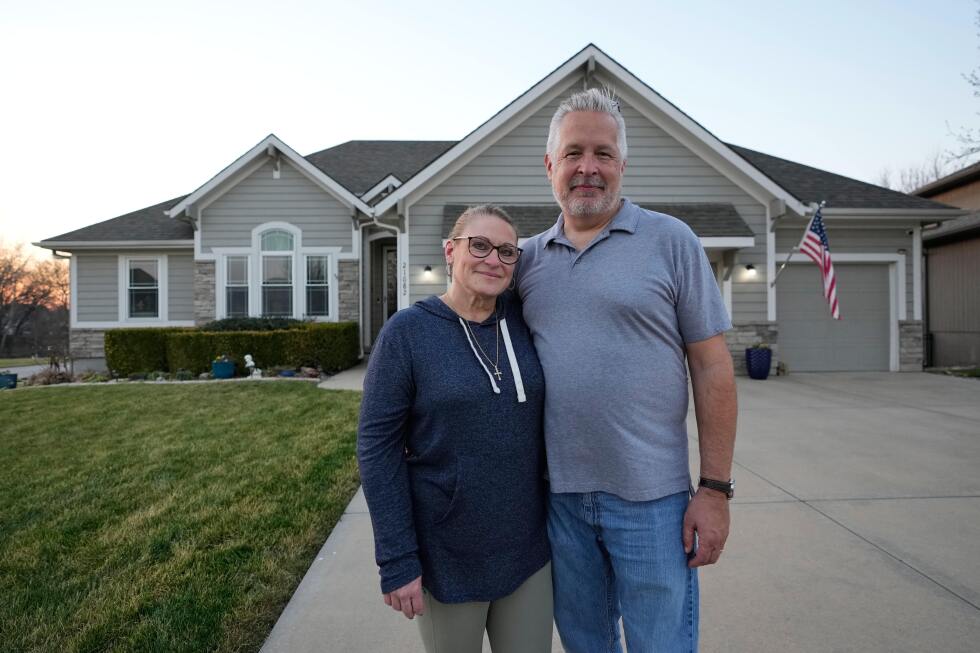
However, affordability remains a challenge, as the median price of existing homes sold in February was $398,000, nearly five times the median household income. While some regions show declining prices, others, like Kansas City, are seeing steady or increased pricing, putting pressure on sellers who struggle to attract buyers.
Ultimately, the market reflects a mixed landscape where buyers with the means may find more favorable conditions, while many sellers face prolonged listings and difficult negotiations.
Source link
