



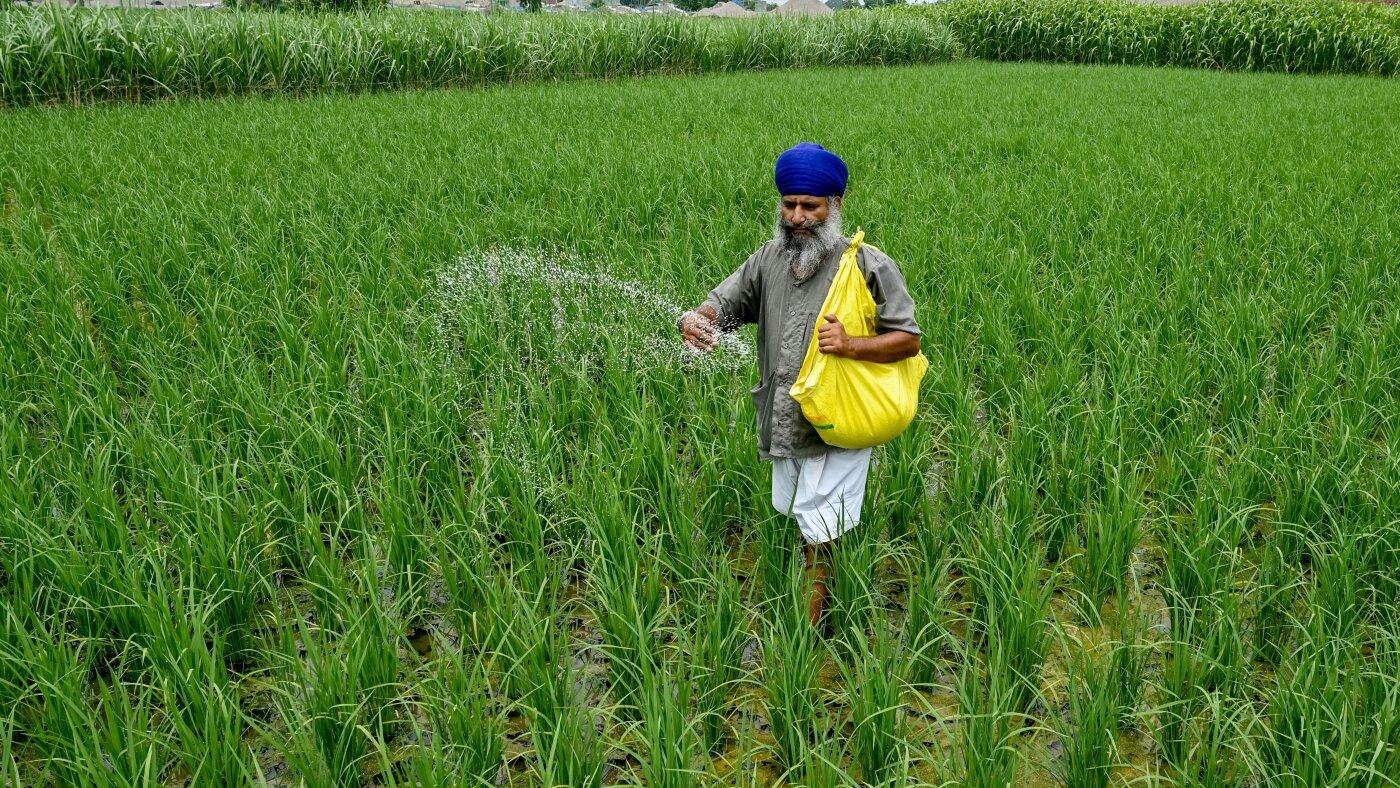
The article discusses the impact of geopolitical tensions in the Middle East on global fertilizer supplies, particularly due to the ongoing conflict involving the US, Israel, and Iran, which has affected the Strait of Hormuz—a crucial shipping route for a third of the world’s fertilizer. Fertilizer prices have surged by about 30% in some regions as a result, raising concerns for importing countries like India, Pakistan, and Brazil.
Experts warn that the loss of exports from Gulf states could lead to immediate global shortages, exacerbating challenges faced after Russia’s invasion of Ukraine. The most affected regions include South Asia and parts of East Africa, with significant implications for food production and prices. Increases in oil prices also threaten agricultural output by raising costs for machinery and transportation.
Farmers are anxious about sufficient fertilizer availability for upcoming planting seasons, and rising food prices could heavily impact poorer households, risking malnutrition among children. While the situation is serious, experts believe that if the Strait of Hormuz reopens soon, disruptions may be temporary, allowing for market recovery and price stabilization.
Source link
