



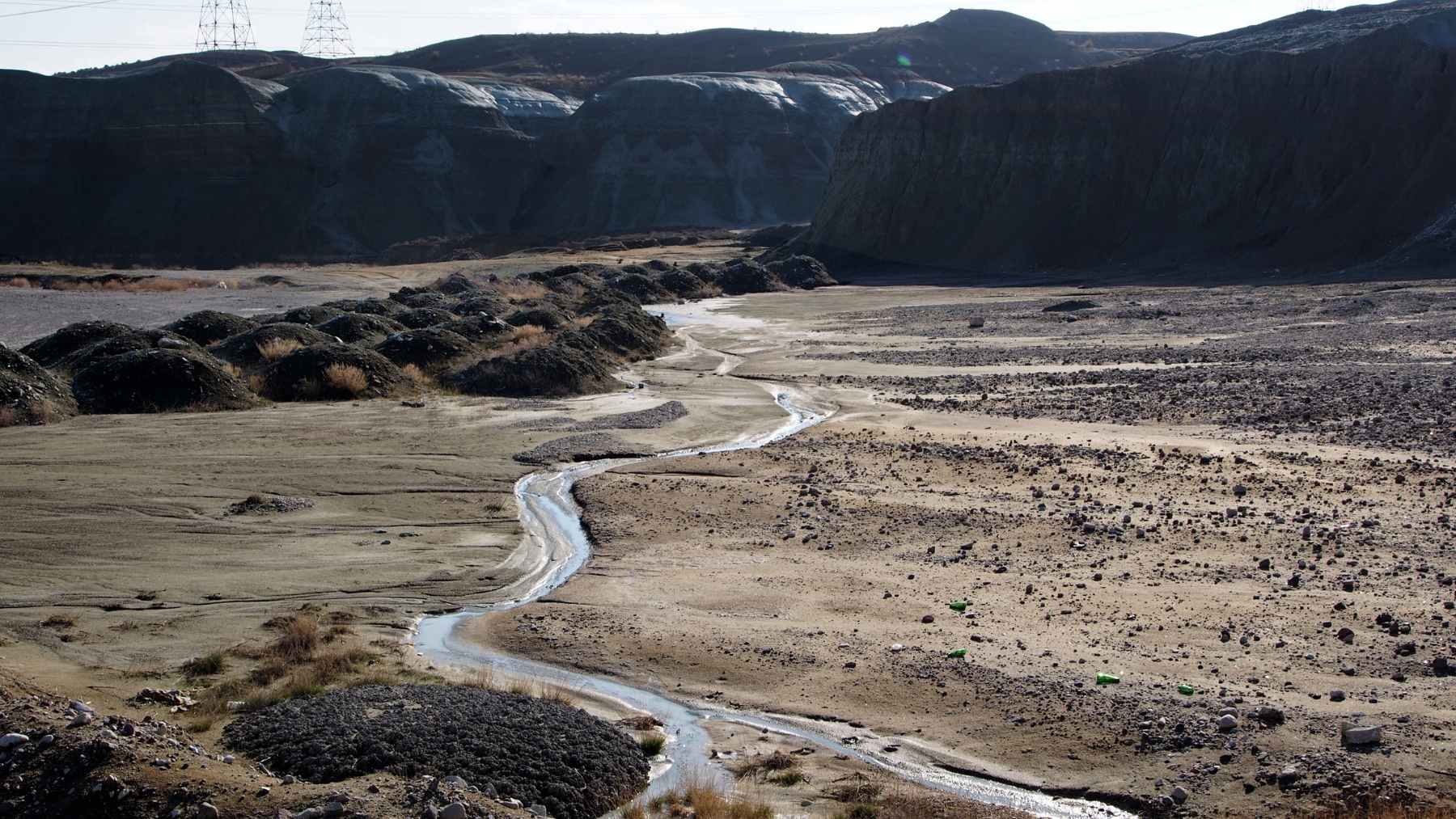
A new global study highlights the imminent risk of "day zero drought" events—situations where water demand surpasses available supply—potentially starting in the 2020s or 2030s if high emissions continue. Regions already facing water stress, such as Cape Town and Chennai, exemplify this crisis.
The concept of a Day Zero Drought (DZD) entails a prolonged period (about four years) with four simultaneous conditions: significantly reduced precipitation, increased evaporation due to heat, low river flows, and rising human water usage. Research indicates that around 35% of drought-prone areas could experience DZD conditions by the early 2030s, affecting approximately 750 million people, including urban and rural populations.
The analysis identifies key hotspots for DZD, including the Mediterranean, southern Africa, the western U.S., northern China, India, northern Africa, and southern Australia—regions already competing for limited water resources. Even achieving the 1.5-degree warming target could leave nearly 488 million people vulnerable.
Findings show that symptoms of DZD can last over four years, complicating recovery for water systems and ecosystems. Dams, which typically offer a buffer, may fail, with about 14% drying below normal operating levels during the first DZD event.
The study advocates for immediate, proactive water management strategies to mitigate future crises, including repairing infrastructure, reusing water, and rethinking reservoir operations. Although predictions have uncertainties, the need for efficient individual habits and supportive local policies is underscored to help address these looming challenges.
This research was published in Nature Communications.
