



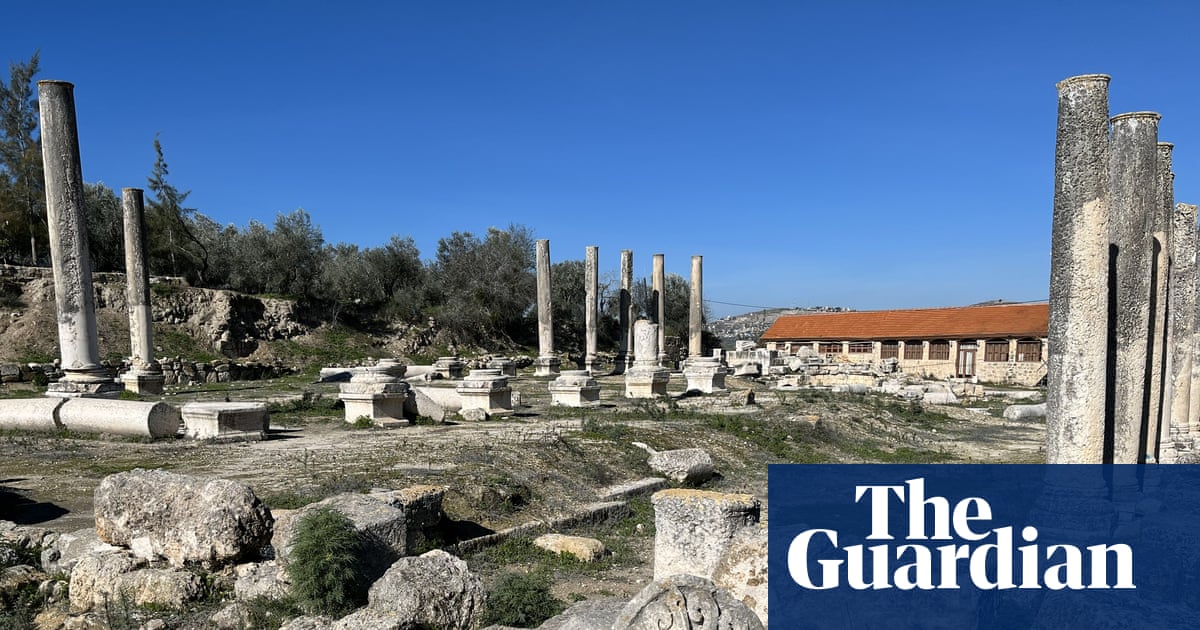
In the small town of Sebastia, concerns are growing over Israeli plans to seize a vast hill of archaeological ruins adjacent to the community. Mayor Mahmoud Azem received notice that this 182-hectare site would be developed into a visitor center and tourist facilities, cutting off local access and impacting the livelihoods of the 3,500 residents who primarily rely on tourism and olive groves. Critics argue that the project, backed by Israel’s far-right government, serves as a land grab under the guise of preserving heritage, particularly as most marked areas are privately owned.
Supporters of the project claim the site—historically significant as the capital of the northern kingdom of Israel—has been underdeveloped and aim to attract substantial tourist traffic. However, activists accuse the Israeli government of using archaeology as a tool for expansion and annexation, while local voices emphasize the site’s complex history spanning multiple eras, including Byzantine and Ottoman periods.
Sebastia is on UNESCO’s Tentative World Heritage List, and international law prohibits the occupation forces from interfering with archaeological sites. The redevelopment efforts represent a significant precedent, causing deep concern among locals about the loss of their heritage and lands. Residents hope for a return of tourists after recent conflicts, but many feel pessimistic about the future of their community.
Source link
