



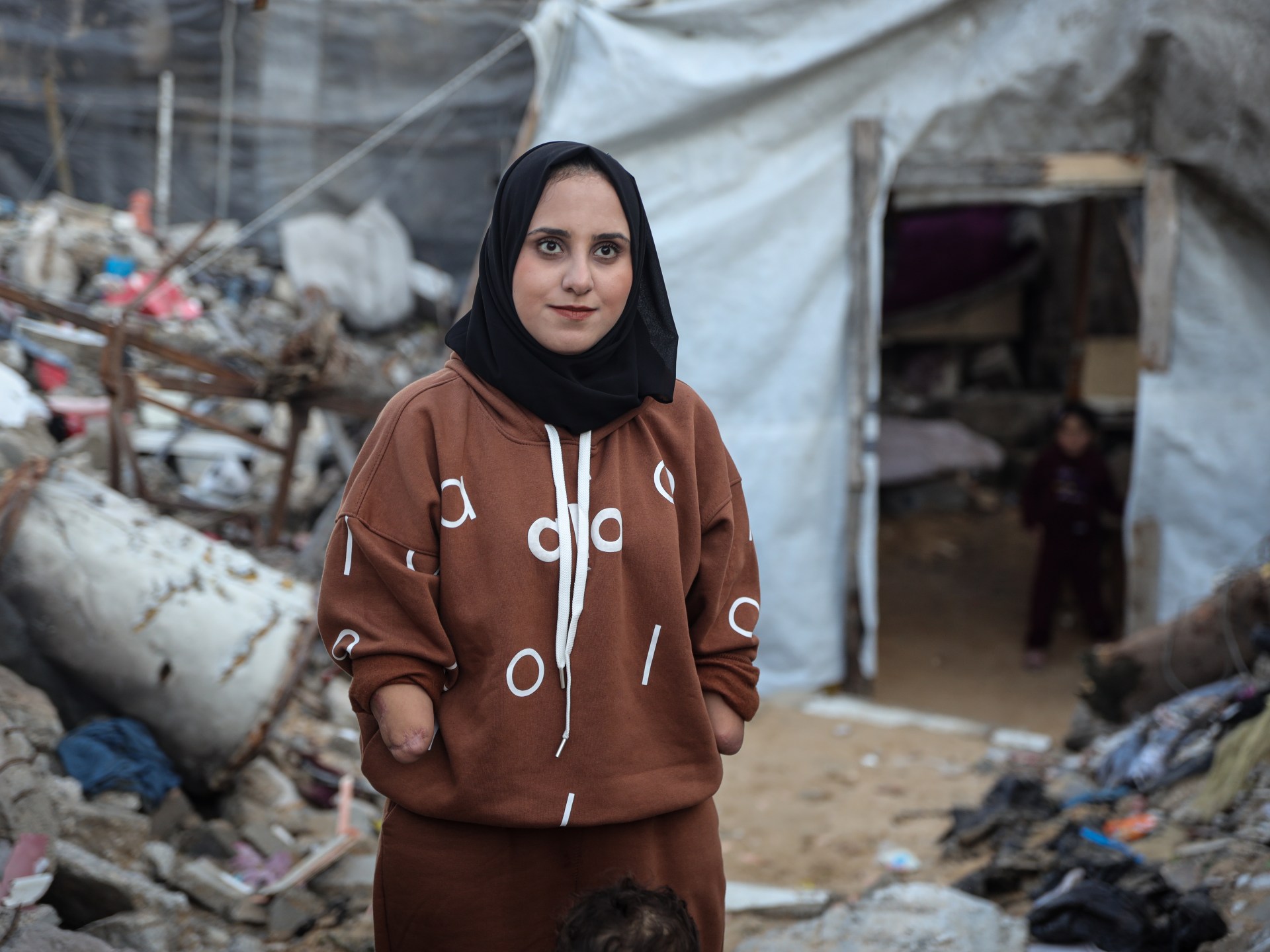
In Al-Nazra, Jabalia, Gaza, Nebal Alhesi, a 25-year-old mother, continues to live in a tent after losing her hands due to an Israeli shelling attack on October 7, 2024. As one of many injured individuals, she hopes for the reopening of the Rafah crossing to access medical treatment outside Gaza. Nebal struggles with daily tasks, relying on her family for assistance, and mourns her inability to care for her two-year-old daughter, Rita. She anxiously awaits updates on her medical case, fearing she will be overlooked.
Similarly, 16-year-old Nada Alhoma suffers from severe injuries sustained during the ongoing conflict. After fracturing her facial bones and losing one eye due to shrapnel, her condition has deteriorated despite multiple surgeries. Her father expresses helplessness as they wait for Nada to receive the urgent treatment she needs.
The Rafah border crossing is tentatively set to reopen, yet uncertainty looms regarding the criteria and number of patients allowed to travel. Thousands of injured individuals rely on this crossing for medical evacuation as Gaza’s health system teeters on collapse. Reports indicate that only those with pre-approved names will be permitted to cross, leaving families in despair over the lack of clarity and urgency in addressing their medical needs.
Raed Hamad, a 52-year-old kidney cancer patient, illustrates the dire situation. His treatment was interrupted by the war, leading to a significant decline in his health. He voices frustration over the lack of available medical supplies and treatments, highlighting the overall humanitarian crisis in Gaza.
Source link
