



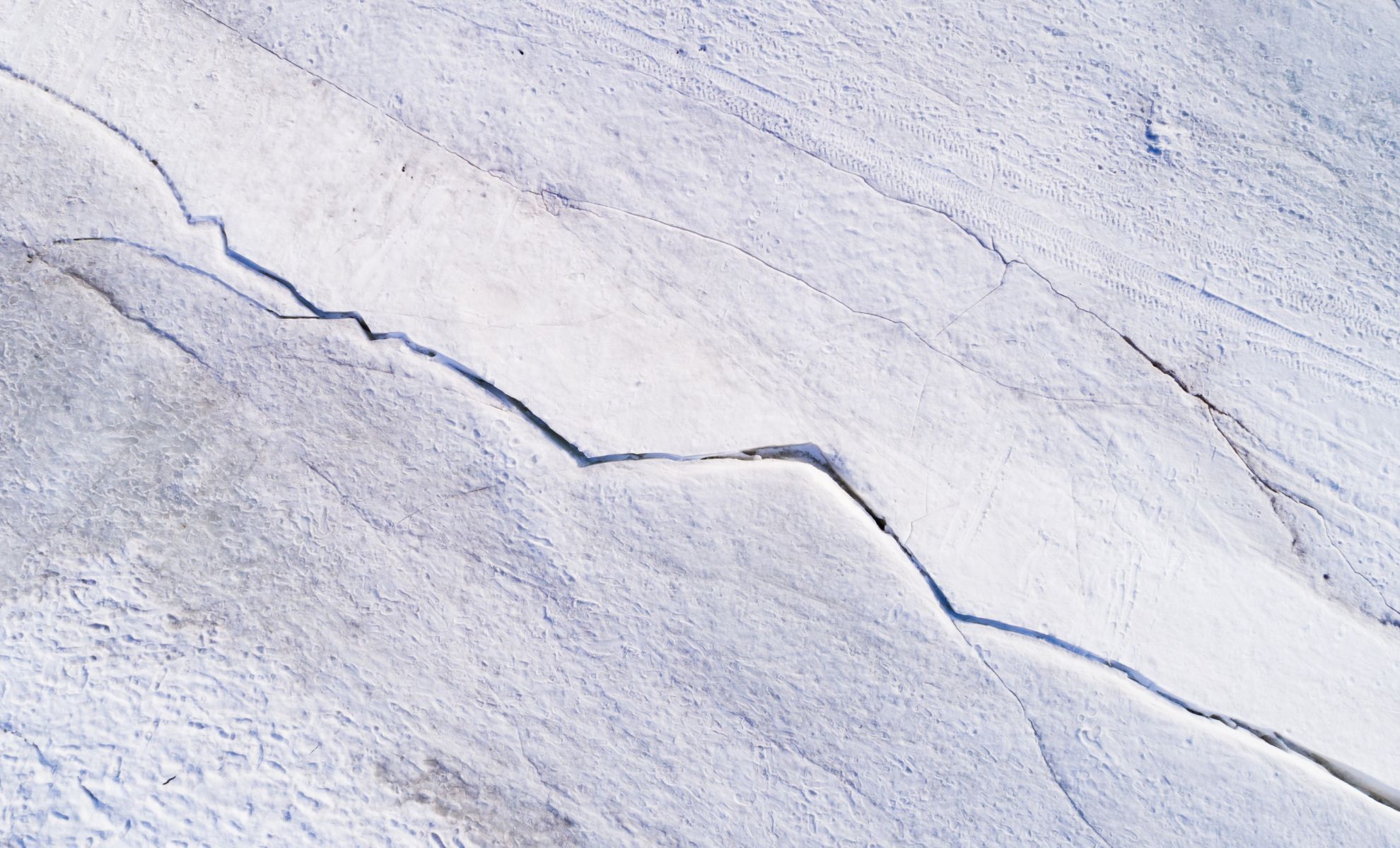
The CHACHA study, led by Dr. Jose D. Fuentes at Penn State University, involved a two-month airborne campaign in early 2022 over Alaska’s Beaufort and Chukchi Seas, revealing significant interactions between open ocean ice cracks and industrial emissions affecting the Arctic’s lower atmosphere.
Data from 57 flights and ground instruments indicated that the “leads”—long cracks in sea ice—generate thermal plumes that enhance cloud formation and atmospheric changes. The research found that air above these leads was, on average, 10°C warmer than surrounding areas, promoting turbulent cloud development and altering humidity levels.
Additionally, emissions from oil fields near Prudhoe Bay reached nitrogen dioxide (NO₂) levels close to health limits, which interfered with bromine-based atmospheric chemistry. This led to ground-level chemical reactions that inhibited active bromine, creating smog-like conditions that can spread over vast distances.
As spring sunlight returned, it activated bromine release from snow layered with sea salt, leading to ozone depletion events that drastically reduced ozone levels. This created a feedback loop: ozone loss allowed more sunlight to warm the snow, releasing even more bromine and exacerbating warming.
The study concluded that these interlinked processes are accelerating Arctic warming beyond current climate models’ predictions. The data collected will enhance model accuracy for both local and global climate forecasts.
Source link
