



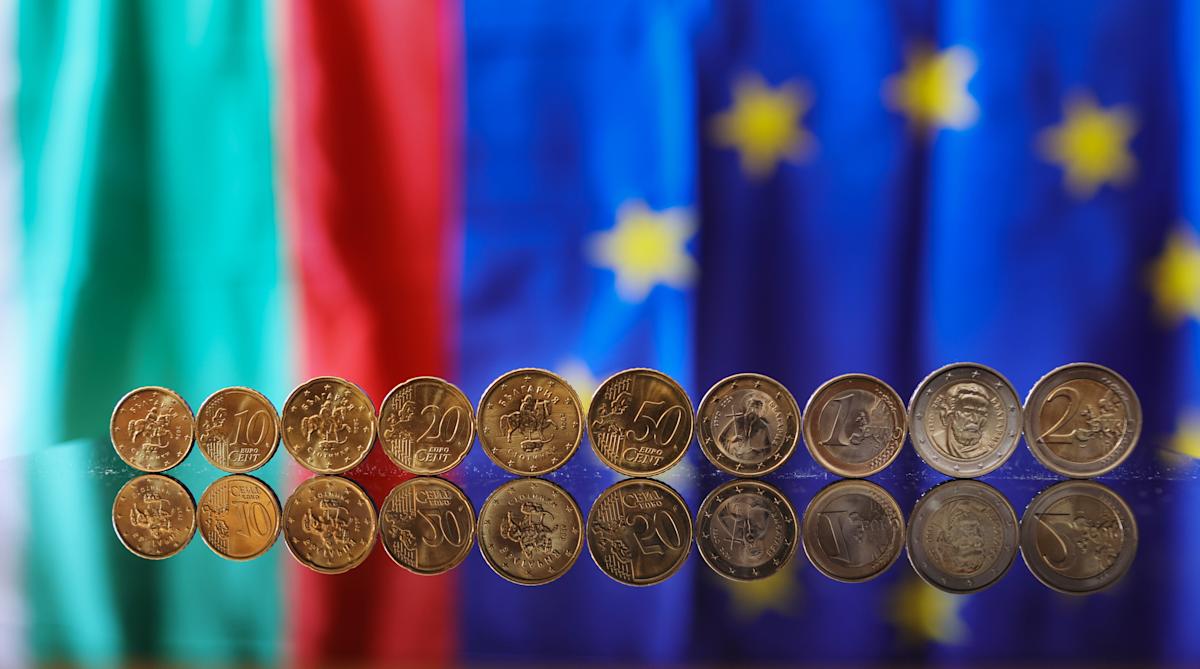
On New Year’s Day, Bulgaria will join the eurozone, marking a significant step toward deeper integration with wealthier Western European nations. This long-sought membership aims to boost trade and investment, despite public skepticism highlighted in recent polls, where only about 45% of Bulgarians support the switch to the euro.
As part of the transition, prices and bank accounts will display both the euro and the Bulgarian lev at a fixed exchange rate of 51 euro cents per lev. Old banknotes and coins will gradually be phased out, with banks exchanging them for free until June 30.
Joining the eurozone allows Bulgaria to enjoy the benefits of a single currency, facilitating trade without the costs of currency conversion—potentially saving businesses around 1 billion levs annually. Bulgaria will also have a seat on the European Central Bank’s board, impacting interest rates and monetary policy decisions.
However, skepticism persists, as many Bulgarians fear price increases during the transition, viewing the currency change as a threat to national sovereignty. Recent polls reveal that around half of the population opposes the euro due to economic insecurities and distrust in authorities.
Historically, new EU members are expected to adopt the euro, although countries like Denmark and Sweden have opted out or delayed the process. Bulgaria had committed to this path upon joining the EU in 2007, but public concerns, including anticipated inflation and broader economic challenges, contribute to ongoing reluctance about the switch. Economic experts expect short-term inflation increases, but confidence in the euro is projected to rise as citizens adapt to the currency change.
Source link
