



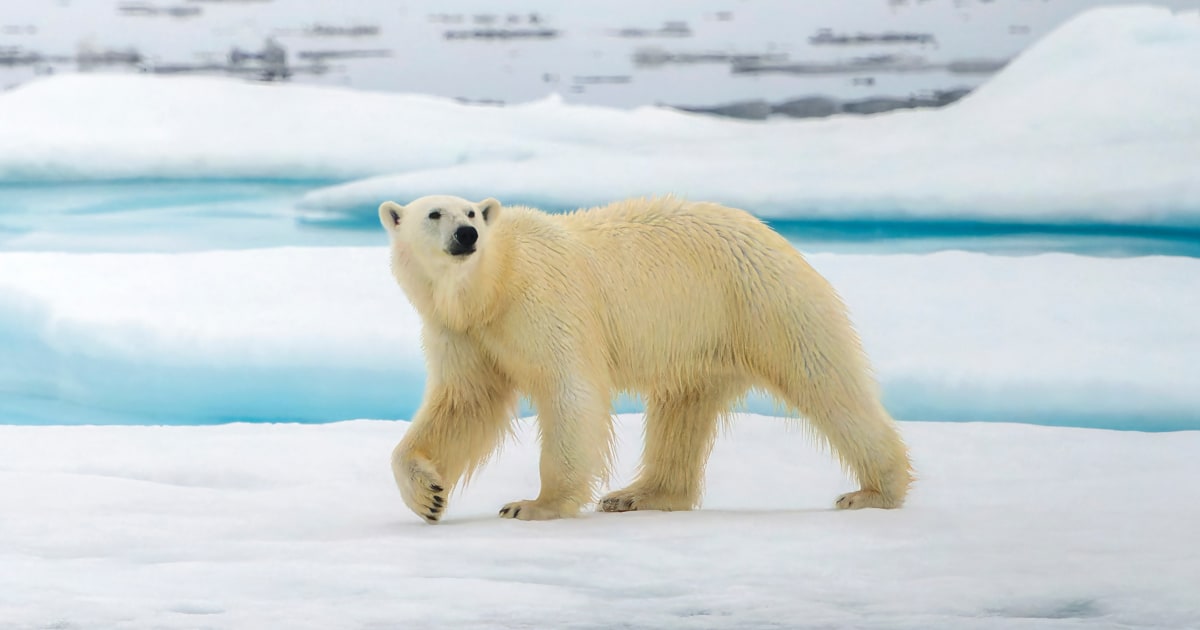
As climate change continues to threaten polar bears’ ice habitats, new research indicates that these animals are rapidly altering their genes to adapt. This study from the University of East Anglia, published in Mobile DNA, highlights an unprecedented case of genetic changes in a mammal due to rising temperatures. Lead author Alice Godden noted that while polar bears are predicted to face extinction this century, with two-thirds disappearing by 2050, the findings provide a "glimmer of hope" for the species.
Researchers analyzed blood samples from polar bears in northern and southern Greenland, finding that gene behavior related to heat stress, aging, and metabolism varied significantly between the two regions. This indicates that different bear populations are adapting to their specific climatic conditions by "rewriting" parts of their DNA, a process described as a survival mechanism against melting sea ice.
The study also points to the challenges posed by rising ocean temperatures, which are diminishing the vital sea ice necessary for hunting seals, leading to food shortages and changes in the bears’ body composition. Godden emphasized the importance of reducing carbon emissions to give polar bears more time to adapt. Despite these genetic adaptations, polar bears remain at high risk of extinction, as highlighted by their Vulnerable status on the IUCN Red List. The findings may offer insights into how polar bears can continue to survive in a rapidly changing environment, but concerted efforts to combat climate change are crucial.
