



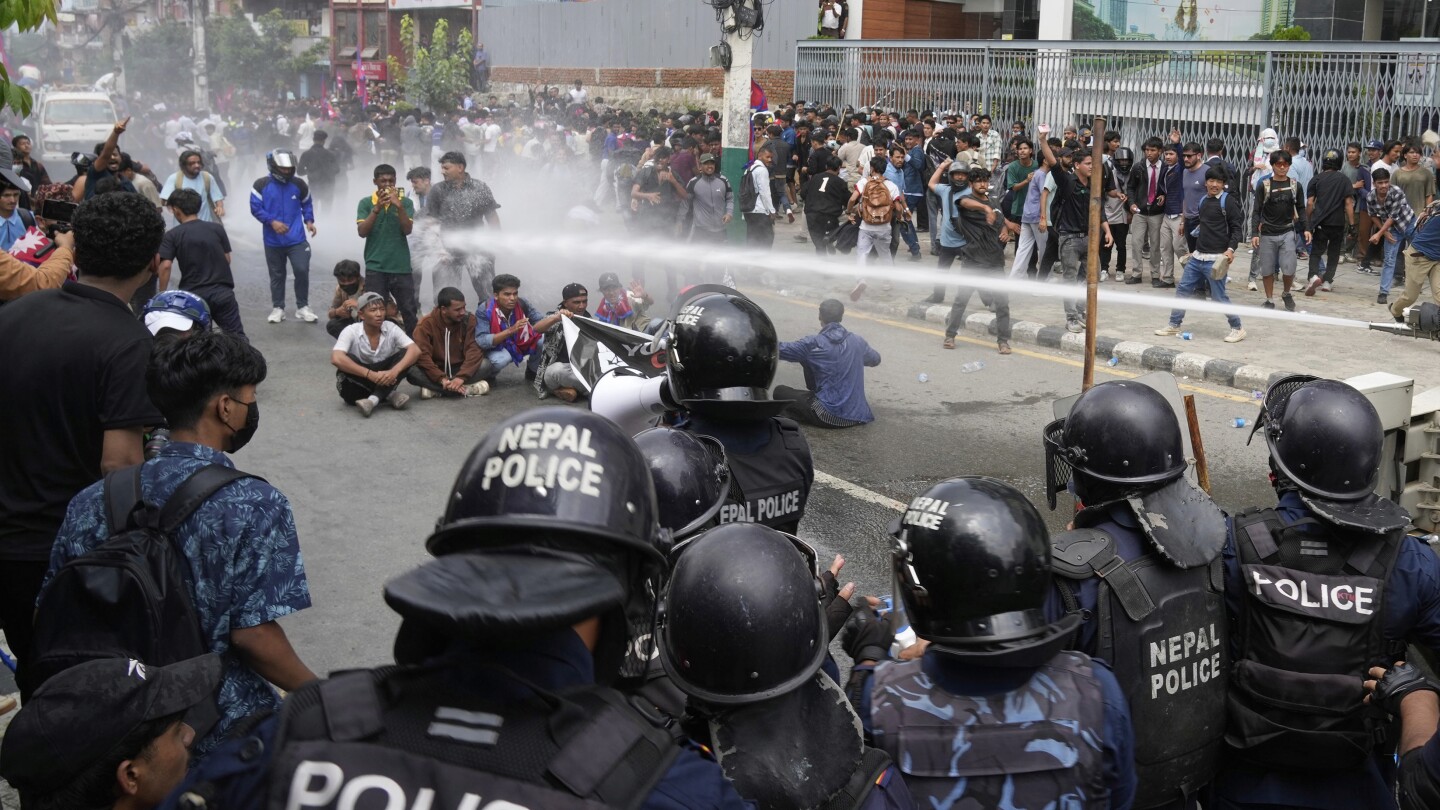
In Kathmandu, Nepal, Prime Minister Khadga Prasad Oli resigned in response to escalating protests triggered by a short-lived ban on social media platforms like Facebook and YouTube. The protests intensified after police fired on demonstrators, resulting in 19 deaths. Anger among the youth surged, fueled by frustrations over government corruption and high unemployment rates. The movement, dubbed the “Gen Z protest,” highlighted the disparity between the affluent lifestyles of political elites and the struggles of ordinary citizens.
Despite the ban being lifted, protests continued, with demonstrators attacking the residences of top political leaders and demanding accountability for the police shootings. Curfews were imposed, but unrest persisted, with calls to remove the increasingly unpopular prime minister. Prior to his resignation, Oli announced plans for an investigation into the shootings and pledged compensation for the victims’ families.
The social media ban was part of a broader government effort to regulate online platforms, criticized as an attempt at censorship. Rights groups condemned the proposed regulations, which require social networks to register and appoint local contacts, viewing them as a violation of free expression.
Source link
