



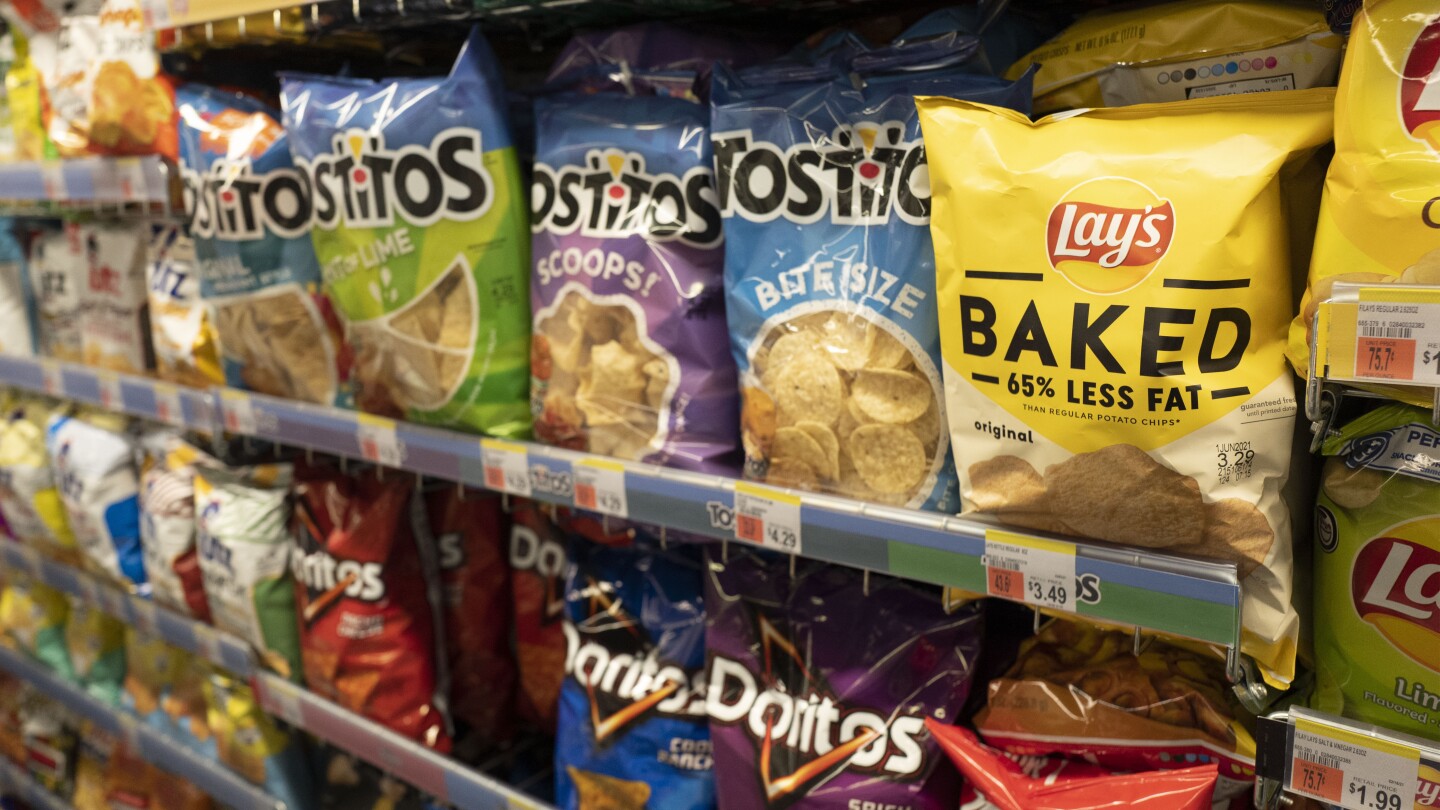
A recent federal report by the CDC reveals that over half of the calories consumed by Americans, particularly children and teens, come from ultra-processed foods, defined as energy-dense items high in sugars, salts, and unhealthy fats. This report, based on dietary data collected from August 2021 to August 2023, highlights that about 55% of calorie intake in individuals aged 1 and older is from ultra-processed foods, with children consuming around 62%.
Health Secretary Robert F. Kennedy Jr. has voiced concerns about these foods contributing to chronic illnesses, stating society is “addicted” to them. Notably, low-income adults showed higher consumption rates of these foods, and while there’s been slight variation in consumption patterns over the past decade, expert Anne Williams noted a small decline in calorie intake from ultra-processed foods among adults since 2013-2014.
Andrea Deierlein from New York University indicated a growing awareness of the potential harms of ultra-processed foods could be influencing dietary choices. While these foods are linked to obesity, diabetes, and heart disease, definitive causal relationships have yet to be established. Recent research demonstrates that participants on minimal-processed diets lost more weight compared to those following technically “healthy” diets of processed foods.
The challenge remains in defining ultra-processed foods accurately. The CDC utilizes the NOVA system, which categorizes foods based on processing levels. As health officials consider developing a uniform definition, Deierlein advises Americans to opt for less processed alternatives and emphasize reading food labels to make healthier choices.
Source link
