



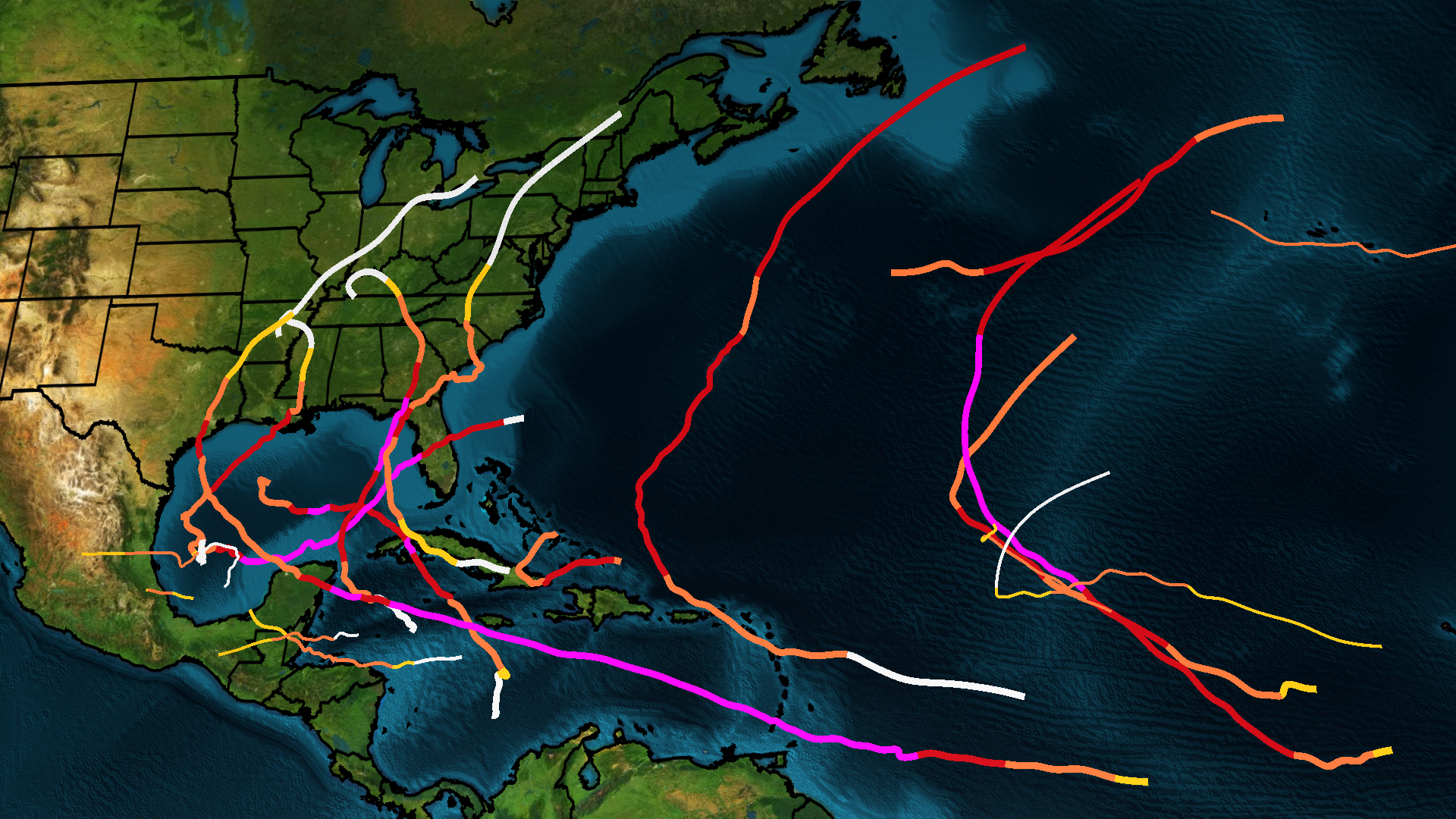
CSU anticipates a slightly more active Atlantic hurricane season in 2025, predicting 17 storms, with nine expected to become hurricanes, including four reaching Category 3 status or higher. This forecast is slightly above the 30-year average for both storms and hurricanes, and is comparable to the 2024 season, which saw 11 hurricanes.
A key factor in this prediction is the current lack of El Niño, which typically suppresses hurricane formation, and the potential for a moderate La Niña during the peak hurricane months from August to October. La Niña conditions generally correlate with less wind shear, encouraging the development of storms.
While water temperatures in the Gulf Coast and Caribbean are slightly warmer than average, they are cooler than last year. In the Eastern Atlantic, crucial areas for hurricane development are around average or cooler than the previous year, suggesting that any cold water trapped alongside mildly warm water could hinder tropical development.
Additionally, Jonathan Belles, a Graphics Metrologist and Author at Weather.com, emphasizes his interest in tropical weather and has extensive experience in reporting weather events.
Source link
