



The interconnectedness of Earth’s climate system is profoundly highlighted in recent research regarding the Atlantic Meridional Overturning Circulation (AMOC), a crucial ocean current that significantly influences global climate. Dust from the Sahara and microbes traveling long distances also affect ecosystems, demonstrating the intricate web of atmospheric connections.
Human-induced climate change is slowing the AMOC, raising concerns about its potential collapse and the resulting global consequences. A study published in Nature Communications utilized decades of data and climate simulations to assess the AMOC’s future impact. Lead researcher Mohima Mimi noted the AMOC’s slower momentum could lead to stronger storms in North America, particularly along the California coast.
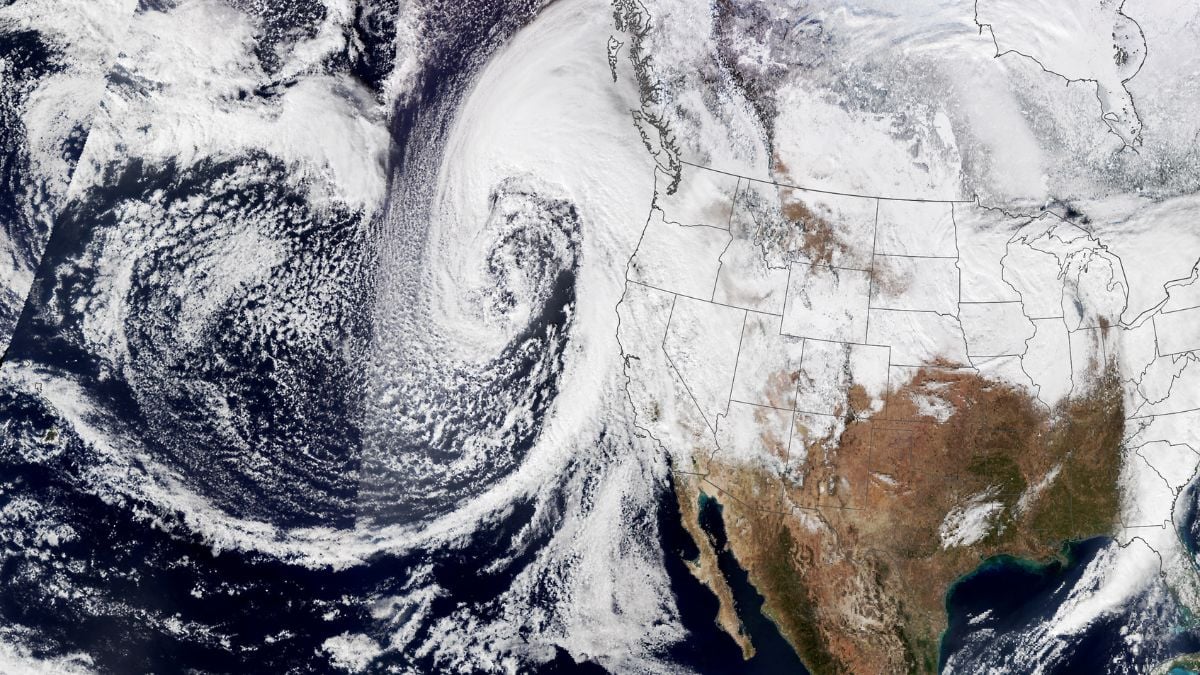
The AMOC’s weakening affects atmospheric rivers, which are vital for rainfall in the western United States but also pose flooding risks. These atmospheric rivers may transport more moisture and occur more frequently due to shifting climate patterns, especially impacting areas like the Amazon and Antarctic regions.
The study emphasizes that changes stemming from the AMOC could affect weather patterns globally, stressing the importance of understanding these interconnections for preparing for future climate challenges. The findings underline the need to mitigate greenhouse gas emissions to better stabilize the climate.
Source link
