



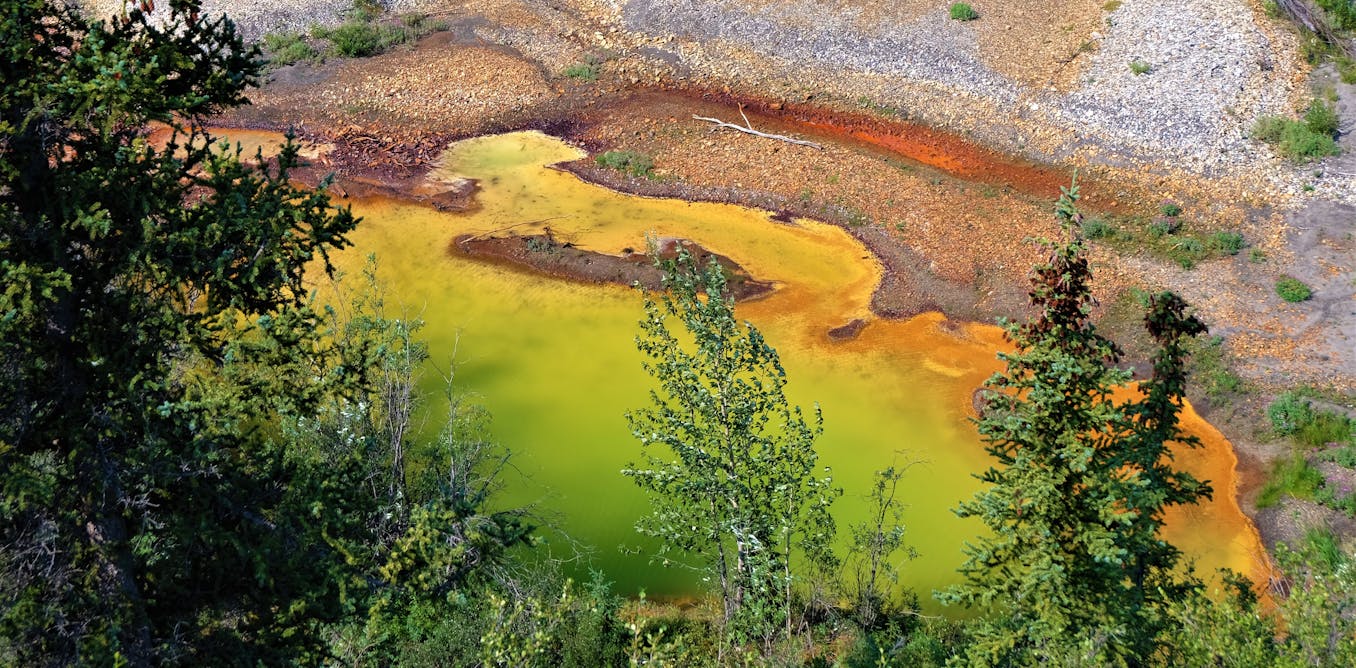
Rivers in northwestern North America are experiencing rapid acidification, turning orange or milky due to thawing permafrost, a consequence of climate change. This process involves the weathering of sulfide minerals, releasing acids, sulfates, and toxic metals into waterways. Recent research at the Tombstone Waters Observatory, supported by the Tr’ondek Hwech’in First Nation, reveals alarming changes in water quality, with some rivers becoming highly acidic in just a few years.
The northern regions, particularly near the North Pole, are warming more than three times faster than the global average, exacerbating these issues. While large rivers currently appear resilient due to natural neutralization processes, long-term outcomes for these ecosystems remain uncertain. The acidification also releases carbon dioxide into the atmosphere, further contributing to climate change.
Given the immediate risks to water and food security, collaboration with local communities is crucial for research and monitoring. The Tr’ondek Hwech’in’s concerns led to monitoring efforts that highlighted significant changes in water chemistry.
The implications for local Indigenous communities are profound, as water quality is vital for cultural identity and subsistence. The deteriorating conditions pose both environmental and health challenges, necessitating a shift in water management strategies. The Yukon Government has begun enhancing oversight and public advisories, while local advocacy efforts aim to protect pristine watersheds from development.
The mining sector is also affected, with increased river-derived metals overwhelming treatment capacities at times, which underscores the urgent need for industries to evaluate the risks of permafrost thaw. As climate change introduces unforeseen effects, ongoing scientific research is essential for effective regulatory and conservation strategies.
Source link
