



The article discusses a study that reveals how climate change may alter heat wave hotspots by the end of the century. Traditional regions like North America’s arid interior and Mediterranean areas have been known for intense heat; however, new findings suggest that global warming could shift these hotspots northward.
Key Points:
-
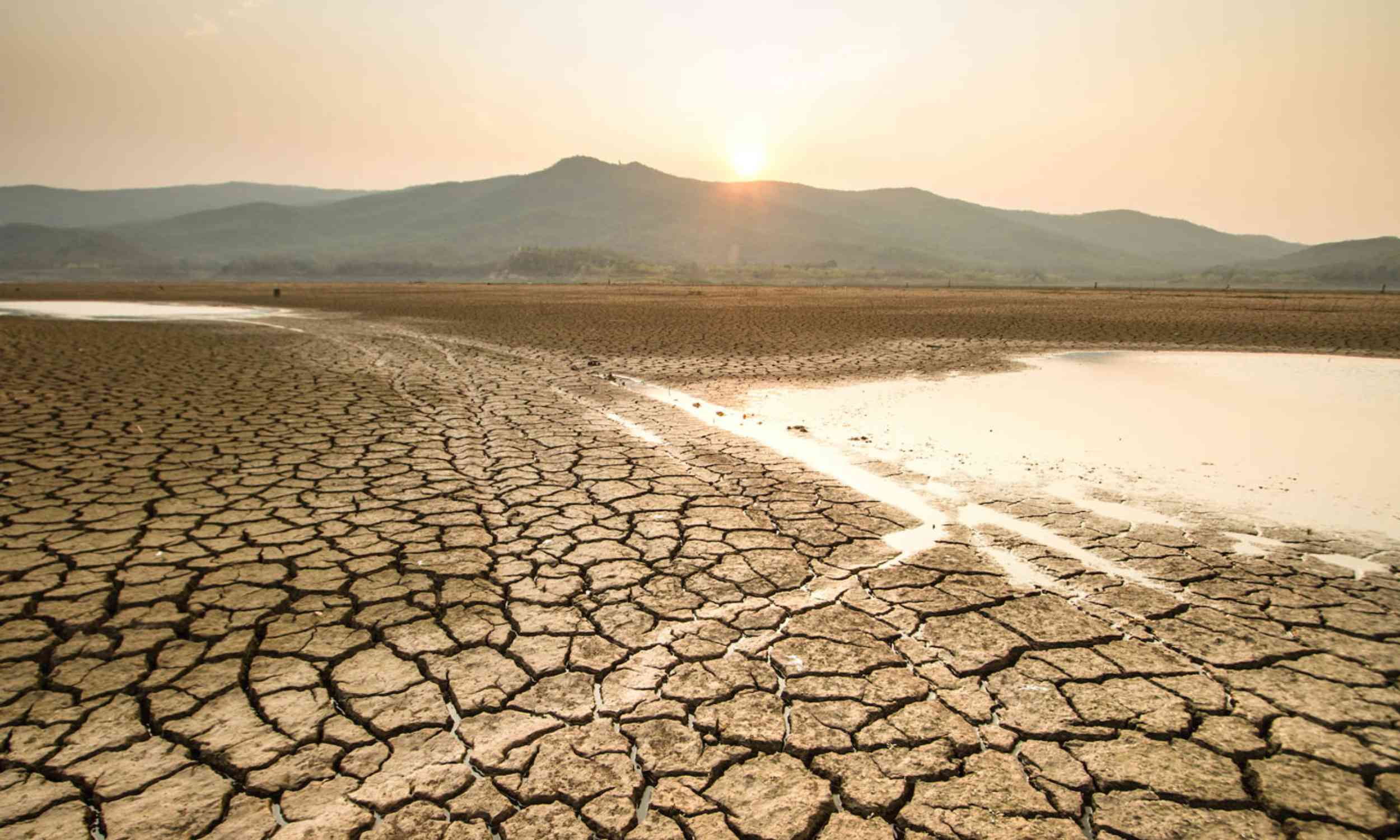
Soil and Temperature Relationship: Dry soil exacerbates heat by stopping evaporation, which normally cools the air. This "coupling" between soil moisture and temperature is strongest in transitional areas like the Central Great Plains and southern Europe.
-
Future Heat Spots: The study ran climate models under two scenarios—low emissions and high emissions. In a low-emissions future, current hotspots will intensify but remain geographically stable. In contrast, high emissions could weaken existing hotspots near the equator while creating new ones in northern areas like northern North America and northern Europe.
-
Air Circulation Changes: The shifts are linked to alterations in air circulation patterns, particularly the Hadley circulation, which is expanding toward the poles. This causes previously moist regions to dry out while pushing dry air into new areas.
-
Implications for Planning: The northern regions that become future hotspots may face new challenges from the combination of dryness and high temperatures, threatening agriculture and community resilience. Current adaptation strategies aimed at existing hotspots may need reevaluation to address these emerging risks.
- Call to Action: There’s a need for updated monitoring and warning systems to address the shifting nature of heat risks, stressing the importance of understanding how both soil moisture and temperature dynamics are evolving.
The study suggests a rethinking of how to prepare for heat waves in light of these climatic changes.
