



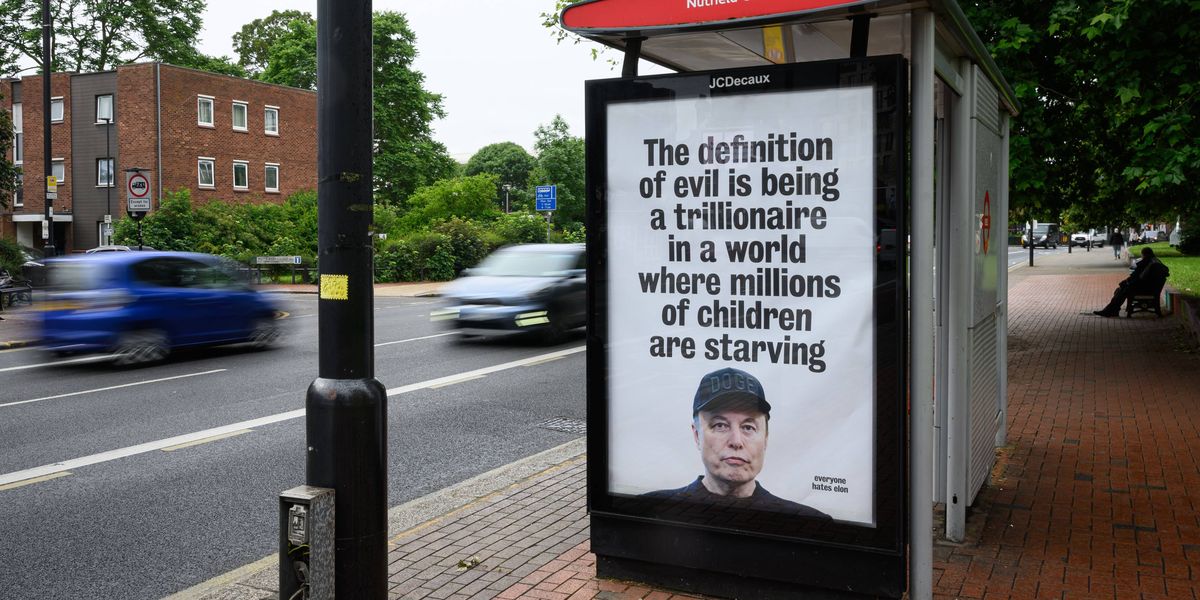
Elon Musk’s net worth surpassed $1 trillion following SpaceX’s public debut, igniting a backlash and calls for significant wealth taxes to address growing inequality. Critics argue that the tax system disproportionately favors the ultra-wealthy, allowing figures like Musk to accumulate vast wealth without contributing their fair share. Igor Volsky from the Tax the Greedy Billionaires Campaign emphasized the need for bold tax policies to curb extreme wealth accumulation and ensure equitable economic power.
Musk’s wealth, largely derived from his stake in SpaceX (valued at around $866 billion), could fluctuate based on stock prices. Activists contend that this financial milestone highlights systemic inequities, where economic disparities persist despite millions facing poverty and hunger. Oxfam estimates that a 10% tax on Musk’s wealth could lift 800 million people above the extreme poverty line.
Critics, including Erica Payne of the Patriotic Millionaires, argued that Musk’s fortune results from exploitation and inadequate taxation, and that his companies have benefited from substantial government support while contributing minimally in taxes. Reports indicate that SpaceX has likely paid little to no federal income taxes since its inception, and Tesla has also avoided federal taxes on significant profits.
Elizabeth Spiers added a moral dimension, questioning the societal impact of such wealth accumulation against the backdrop of crises exacerbated by ultra-rich individuals. Overall, the article underscores the urgent need for a reassessment of wealth distribution and taxation policies in light of rising inequalities.
Source link
