



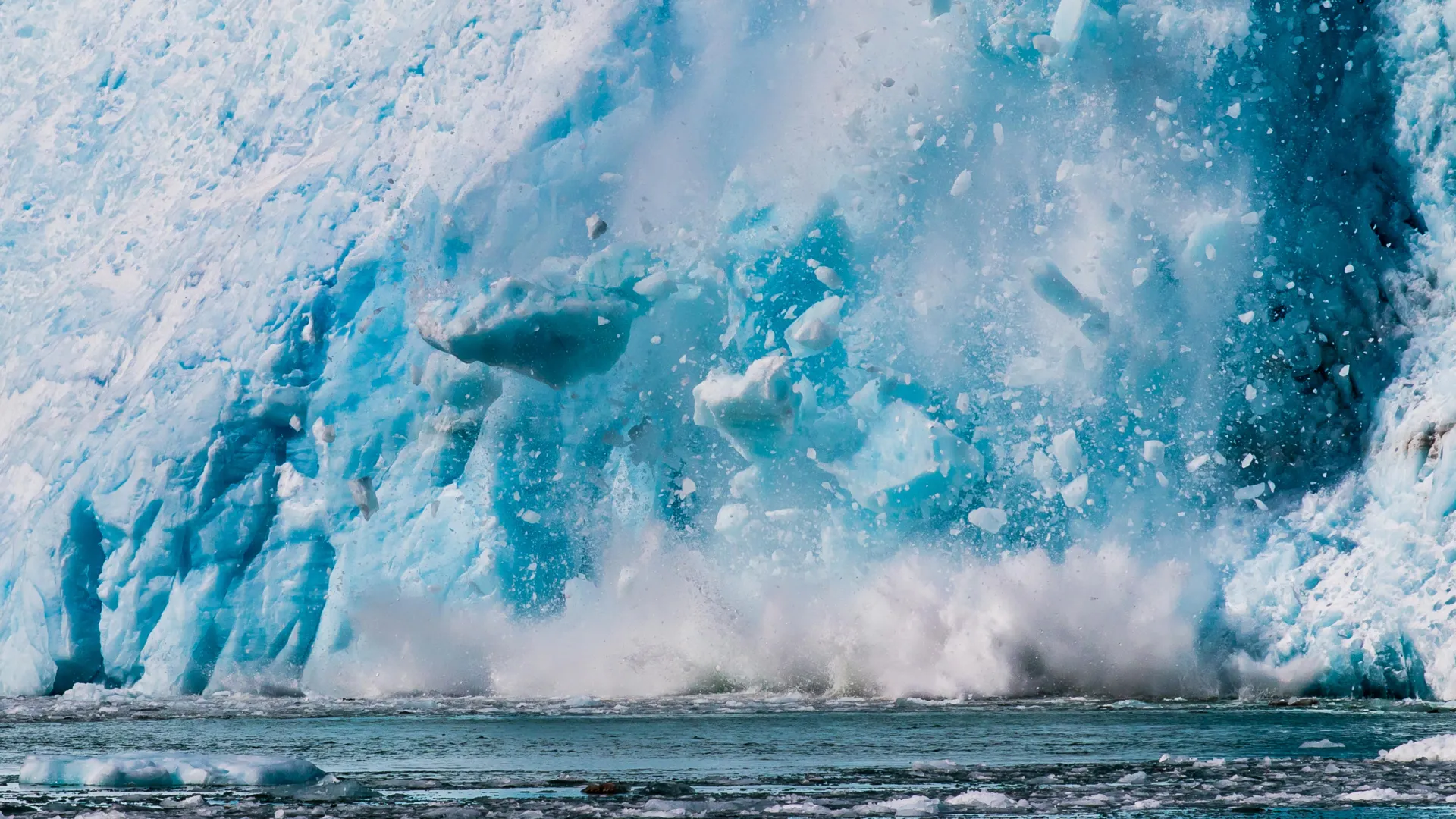
Glaciers on the eastern peninsula of Antarctica, particularly Hectoria Glacier, have experienced unprecedented retreat recently, with nearly half of its ice mass collapsing within just two months in 2023. A study led by the University of Colorado Boulder, published in Nature Geoscience, identified the flat rock bed beneath Hectoria Glacier as a key factor in this rapid loss. As the glacier thinned, it began to lift off the ground, triggering a calving phenomenon.
Hectoria, measuring about 115 square miles, is relatively small for Antarctica, but its rapid retreat raises concerns about larger glaciers possibly following suit, which could have significant implications for global sea levels. Researchers, originally studying sea ice breakaway events due to a nearby ice shelf collapse in 2002, discovered the glacier’s dramatic retreat through satellite and remote sensing data.
The research also highlighted the glacier’s unique topography; it rested on a flat ice field, similar to those that had historically retreated at alarming rates thousands of years ago. As the glacier thinned, large sections began to float, leading to powerful ocean forces causing massive melting and the eventual collapse.
By integrating frequent satellite observations and seismic data, the research team reconstructed the event timeline, confirming that the glacier’s rapid retreat was contributing to global sea level rise. Their findings suggest the presence of ice plains beneath other Antarctic glaciers, offering insights into predicting future collapses.
Overall, Hectoria’s rapid retreat signifies a potential shift in glacier dynamics in Antarctica, which could accelerate sea level rise if similar conditions emerge elsewhere on the continent.
