



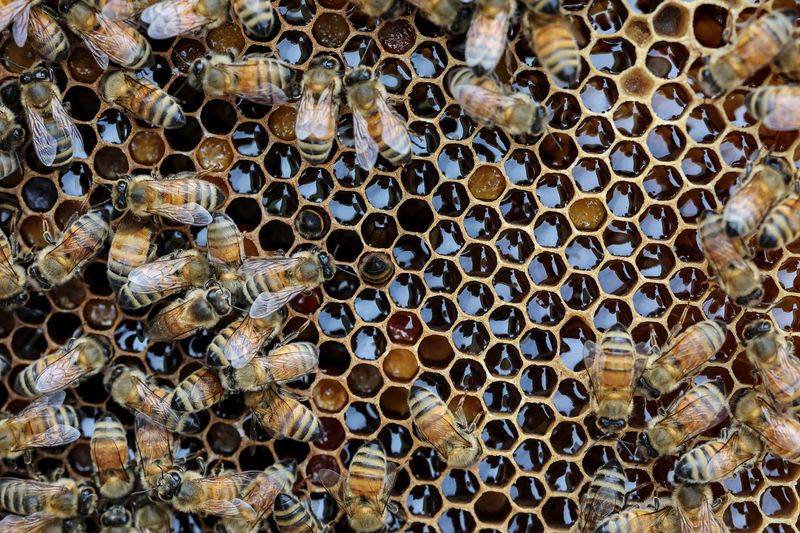
In South Korea, Park Kyung-jae, a 65-year-old beekeeper from Sancheong County, has been managing beehives for about 50 years, driven by his love for nature. However, he now faces significant challenges due to climate change, which has altered flowering seasons and hindered bee populations. Rising temperatures are shortening bloom periods, leading to more extreme weather conditions that complicate bee foraging. Currently, he manages approximately 8.8 million bees, but he’s noticed a drastic decline in honey yields—down about 70% compared to the early 2000s.
Research indicates that climate change globally affects bees and, by extension, crops reliant on pollination, raising concerns over food supply. South Korea has witnessed a 14% decrease in migratory beekeeping hives from 2014 to 2023. A study warns that honey bee pollination could drop by over 53% by 2060 if climate trends persist.
In response, the Korean government is introducing measures like urban rooftop gardens and investing in the breeding of more resilient bee varieties. Despite facing these hurdles, Park is committed to beekeeping, intending to modernize his practice with smart technology and hoping to pass the trade on to his daughter. “As long as I am healthy, I will continue to keep bees until I die,” he stated, emphasizing his passion for beekeeping amidst the challenges.
Source link
