



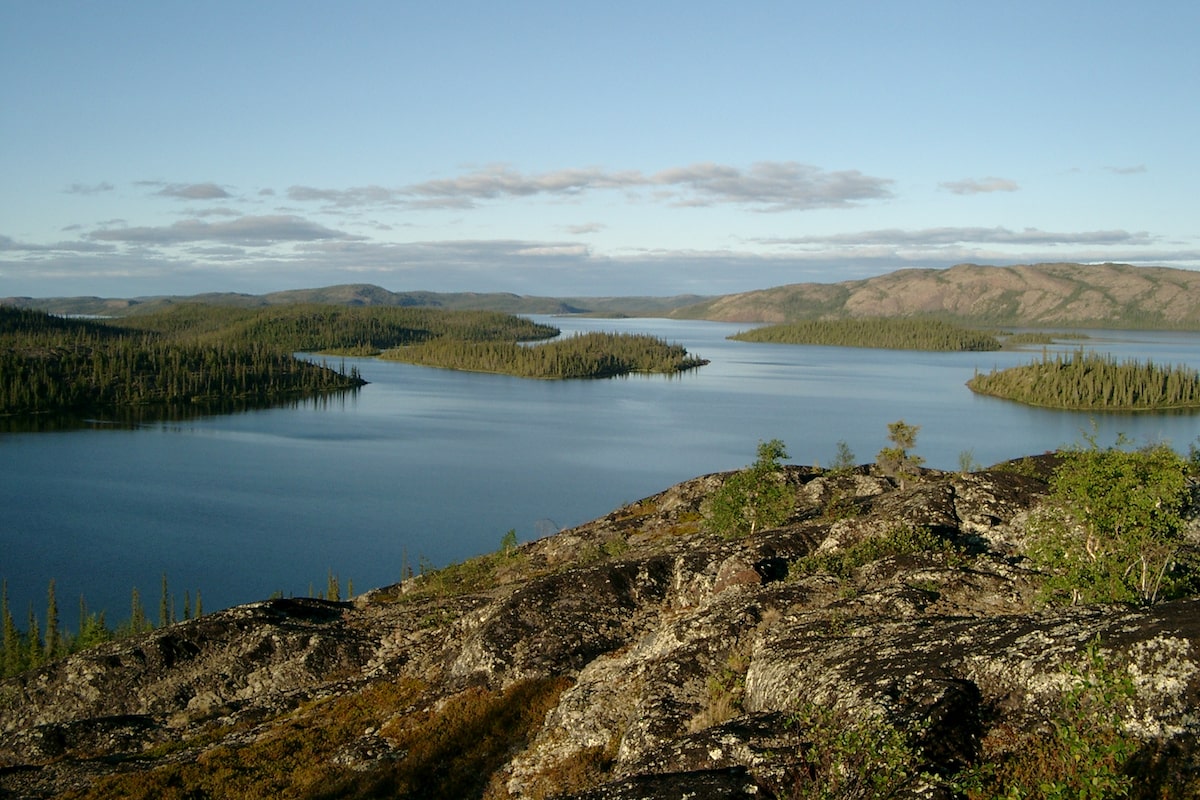
Great Bear Lake, the largest freshwater body entirely within Canada, is experiencing significant ecological changes due to climate warming. Research by Dr. John Smol and colleagues reveals that diatom communities, crucial for the lake’s food chain, have shifted from larger species to smaller ones over recent decades. This transformation is linked to warmer surface temperatures and reduced wind speeds, leading to decreased mixing of water layers.
The study, which also includes data from Great Slave Lake and Lake Hazen, indicates that these changes are widespread and consistent across large northern lakes. Since the late 20th century, the ice cover duration has decreased, altering the lake’s ecosystem dynamics. Large diatoms, which provide high-calorie food for small fish, have been largely replaced by smaller, floating species, potentially affecting fish populations.
Experts emphasize the significance of these lakes for Indigenous communities, highlighting their central roles in culture, transportation, and food security. The findings underscore the need for closer monitoring of fish populations and the broader ecological implications of climate change on these vital freshwater systems.
Source link
