



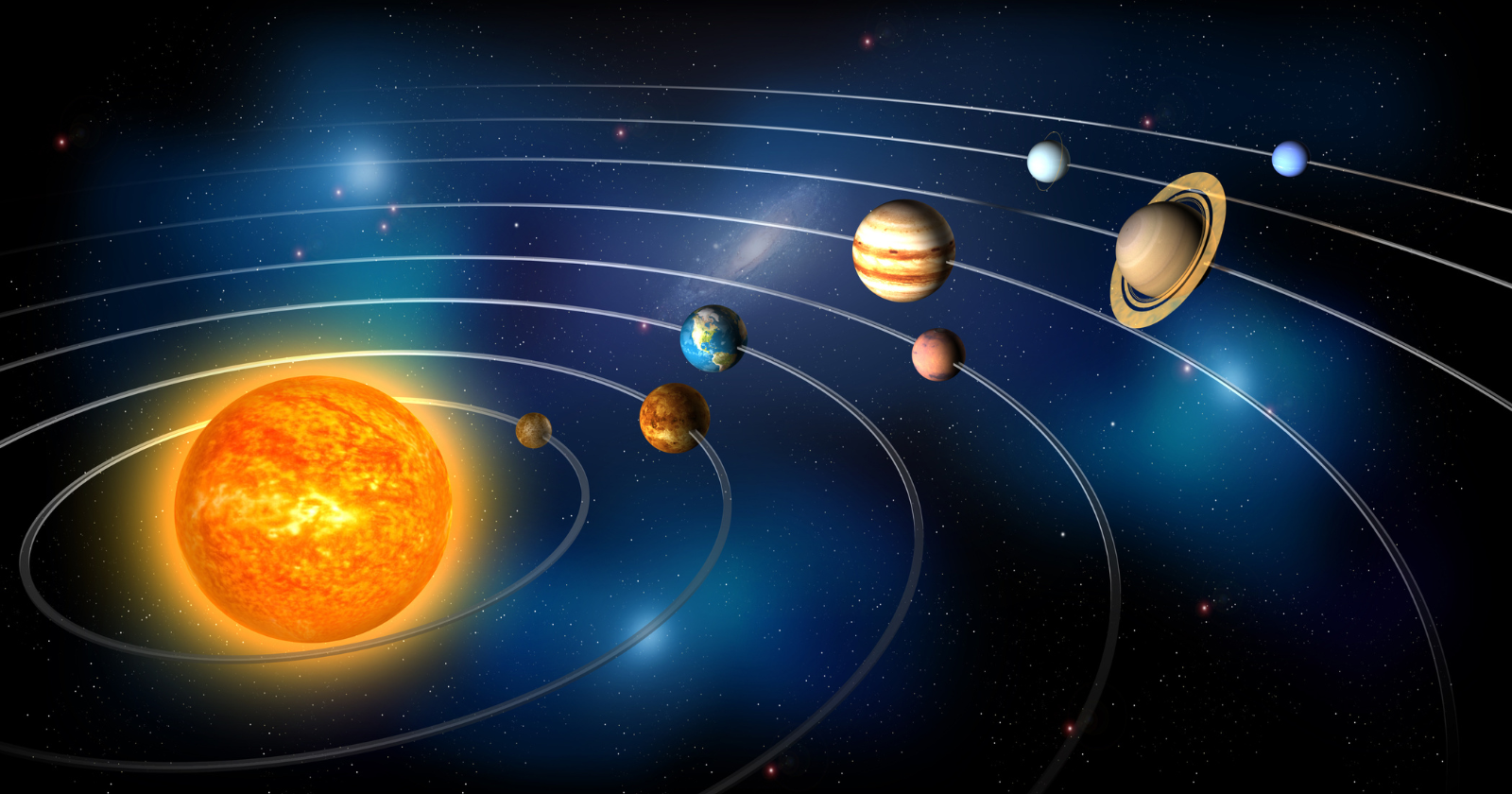
The article discusses the Sun’s movement through the Milky Way, highlighting that it is not fixed in space and completes a revolution approximately every 230 million years, during which Earth was in the late Triassic period, with early dinosaurs emerging.
However, there is significant uncertainty in these numbers. The Sun’s orbital period is estimated between 225 and 250 million years, with a commonly used figure of 230 million years. Astronomer Keith Hawkins suggests a narrower estimate of 220 to 230 million years, noting that the galactic year is unique to our solar location.
The distance from the Sun to the galactic center is about 26,000 light-years, and it travels at roughly 230 kilometers per second. The article emphasizes that saying “230 million years” is imprecise, as these estimates fall within a significant range.
Regarding dinosaurs, the oldest known species, dating back to around 230 million years ago, were initially overshadowed by crocodilian reptiles and did not dominate until after the end-Triassic extinction.
A crucial point made is the misleading idea that the Sun returns to the “same place” after a galactic year. Galaxies rotate differentially, so the Sun’s current environment—nearby stars and gas clouds—is different from what it was during the Triassic. The Sun also moves up and down the galactic plane, further complicating this notion.
Lastly, the article cautions against overinterpreting the Sun’s movement as a cause for events on Earth, such as mass extinctions, as the hypothesis linking the Sun’s oscillations and extinction patterns remains unproven. The picture of the Sun’s journey and its implications for Earth’s biological history will evolve as more data becomes available.
Source link
