



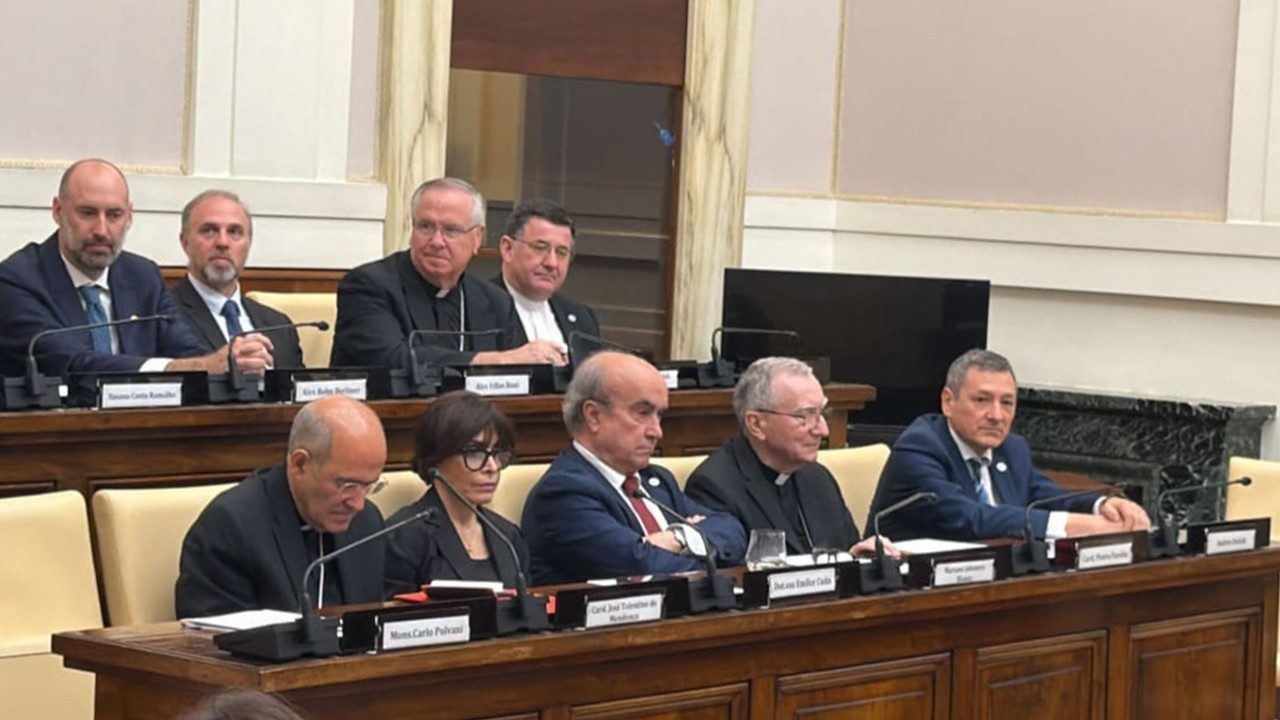
Cardinal Pietro Parolin, the Vatican’s Secretary of State, addressed the mental health crisis among young people at a recent Vatican conference, emphasizing it as an “emergency requiring a structural response.” He highlighted that while young people today have access to various tools, they often lack a sense of purpose, calling for educational systems that foster integral human development and socio-emotional growth, particularly in the responsible use of digital technology.
Parolin criticized piecemeal approaches to these challenges, advocating for long-term, multifaceted cooperation. He referenced the Global Compact on Education initiated by Pope Francis and pointed out alarming trends in youth mental health, including rising anxiety and depression post-pandemic.
He argued against viewing mental health solely as a medical issue, asserting that education must address the unity of body, mind, and spirit, equipping young people with skills to understand themselves and form meaningful relationships. Schools and families play crucial roles in supporting youth, creating inclusive environments where students feel valued.
While recognizing the educational potential of digital technologies in bridging inequalities, Parolin cautioned against the risks of overexposure, which can lead to issues like screen addiction and social isolation. He advocated for governance of technology through integrated digital and socio-emotional education.
At the core of the crisis is a “crisis of meaning,” where many young people feel directionless despite having information and opportunities. Parolin concluded by urging governments to prioritize youth mental health through concerted efforts in education, healthcare, and family support, echoing the call for educators to help young people lead full and meaningful lives.
Source link
