



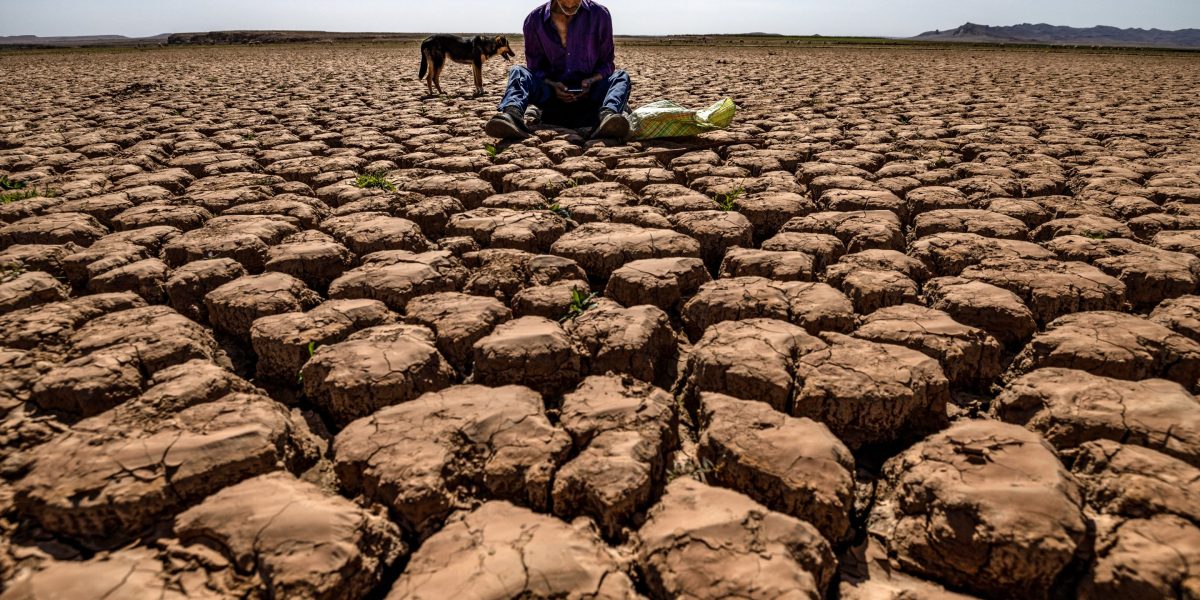
Cyclic weather events, notably El Niño, are expected to increasingly cause flooding in some regions and drought in others this year. El Niño, characterized by warmer Pacific Ocean surface temperatures, has an 82% chance of occurring by July, with a 67% likelihood of evolving into a strong or “Super El Niño” by 2027.
Historically, El Niño was first recognized by Peruvian fishermen in the 1600s. It disrupts typical trade winds, allowing warm waters to drift towards the Americas and altering atmospheric conditions, resulting in significant global weather impacts. The event typically occurs every 2 to 7 years and varies in intensity.
El Niño is part of the broader El Niño Southern Oscillation (ENSO) cycle, which also includes its cooler counterpart, La Niña. Super El Niño events, although rare, lead to severe weather patterns globally, influencing temperatures and precipitation.
The influence of El Niño is felt first in tropical regions, then spreads to Australia, Asia, the Americas, and Africa. While areas like Australia may face heat and drought, parts of the southern United States and East Africa may see heavier rainfall and a heightened risk of flooding. The Atlantic hurricane season typically sees fewer storms during El Niño years, while Pacific typhoon activity usually escalates.
The implications of El Niño are far-reaching. While it can provide signals about weather patterns, it can jeopardize global crop yields, fish populations, and energy demands. Historical data shows significant economic losses associated with major El Niño events, overshadowing regional benefits.
Some crops, like California’s avocados, may thrive under El Niño conditions, but staple crops often suffer from droughts and extreme weather. The effects on marine life and fisheries can also disrupt food security, further driving up prices.
Scientists continue to study how climate change may influence El Niño’s frequency and severity, with some suggesting that its effects could strengthen as global temperatures rise. Ultimately, understanding these phenomena is crucial for preparing for their economic and environmental impacts.
Source link
