



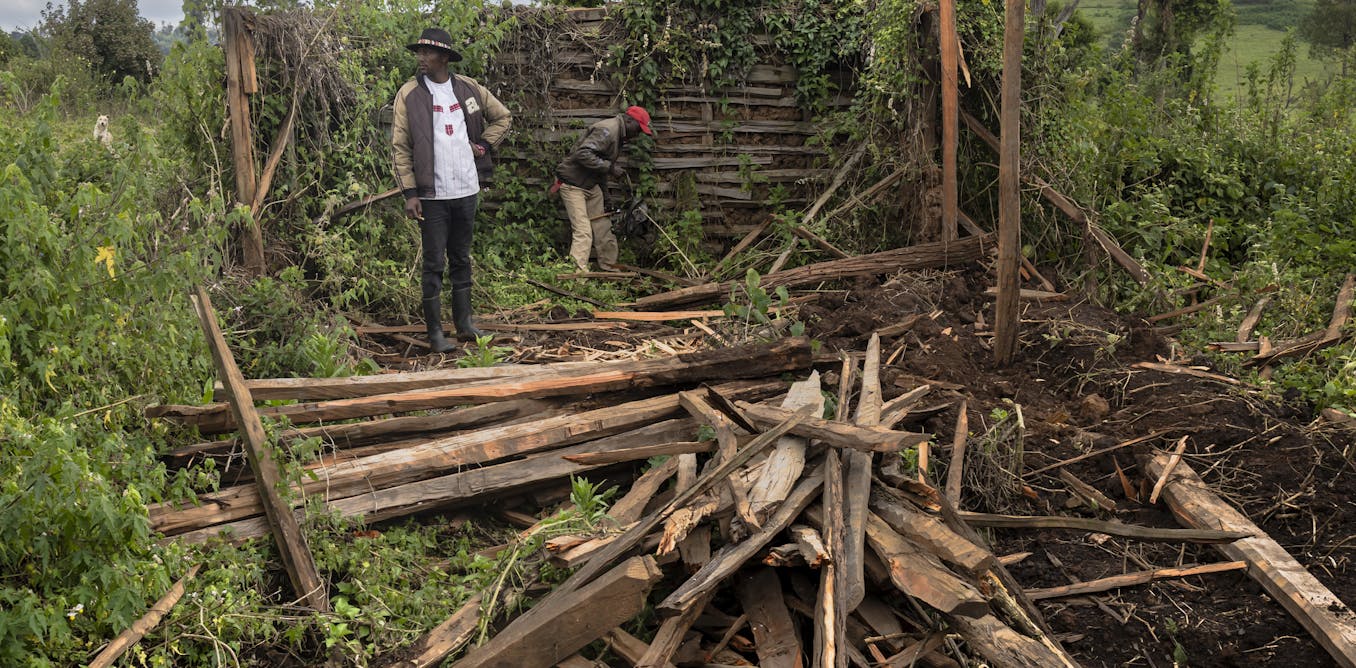
The article discusses the ongoing challenges faced by the Ogiek, an indigenous group in Kenya’s Mau Forest, who have lived there for generations. Despite winning a landmark case in 2017 that recognized their land rights, they are again facing eviction due to government policies aiming to protect forests for carbon credit markets.
These pressures are not unique to the Ogiek; many indigenous peoples worldwide confront similar threats as governments and corporations prioritize conservation efforts without adequate consultation. The piece emphasizes the importance of the principle of “Free, Prior and Informed Consent” (FPIC), established under the United Nations Declaration on the Rights of Indigenous Peoples in 2007. This principle mandates that indigenous communities be meaningfully consulted before decisions are made about their lands.
However, the enforcement of FPIC is weak and often ignored, with many governments interpreting it loosely or only involving select representatives. The article highlights that this trend can lead to ineffective conservation efforts that disregard the knowledge and rights of indigenous peoples, emphasizing the need for genuine decision-making power for these communities to protect their land effectively.
Source link
