



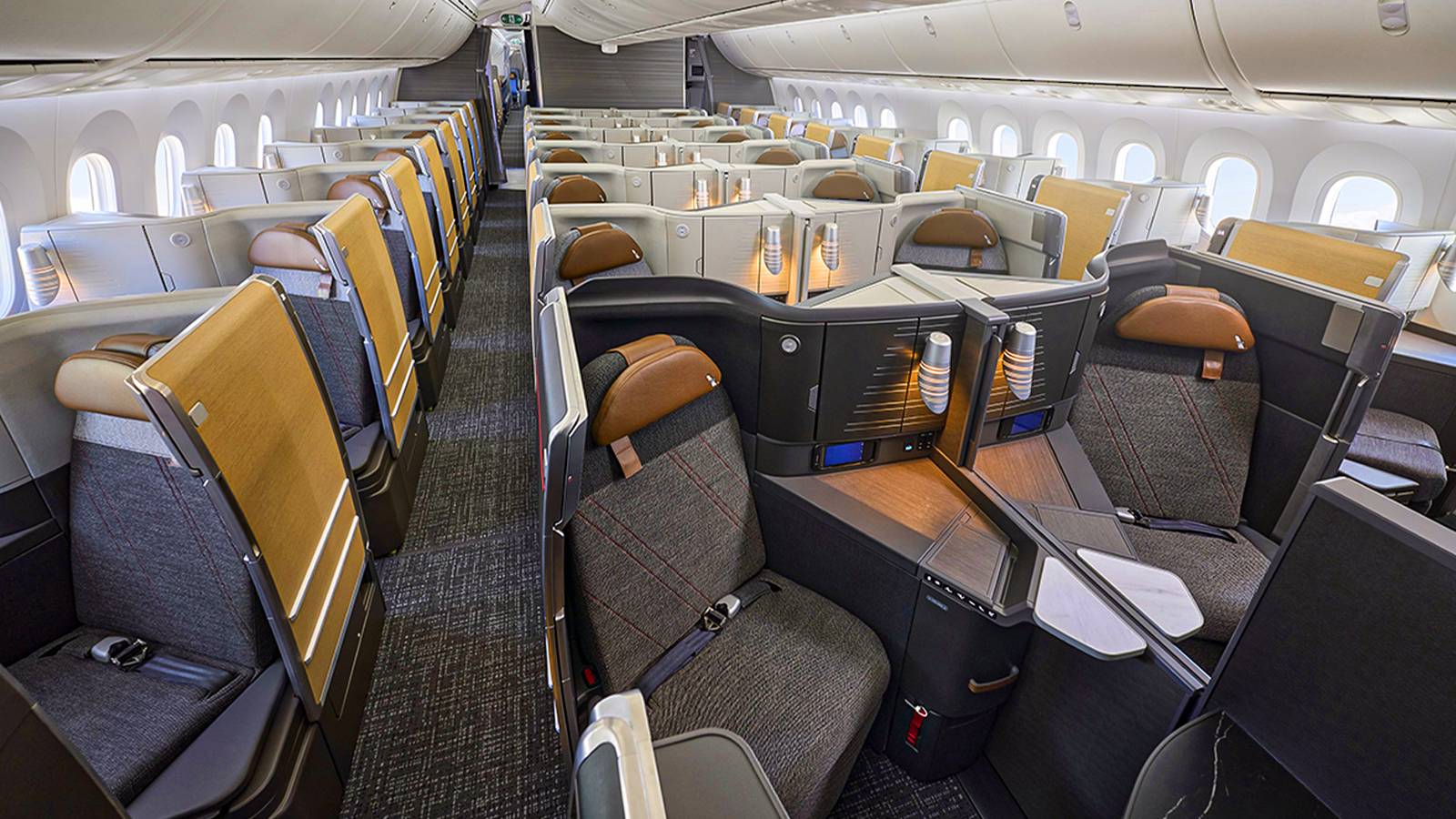
The article discusses American Airlines’ strategic deployment of its reconfigured 787-9P fleet, primarily on transatlantic routes to capture high-value corporate travel. With multiple daily flights from Northeast hubs to London Heathrow, the airline is adjusting premium ticket prices significantly. Business class fares can be as low as $3,000 when booked in advance off-peak, but can soar to over $8,000 during peak travel times.
The airline’s focus on the 787-9 fleet aims to counter competition from legacy carriers while optimizing revenue through a premium-heavy cabin layout, which features 51 flagship suites and reduces total seating to 244. This change allows for higher profit margins and more predictable pricing.
In contrast, pricing strategies differ for trans-Pacific routes, which are subject to intense competition and usually offer more stable fares compared to the volatile transatlantic market. Routes to Oceania see extreme pricing volatility, with one-way business tickets sometimes reaching $19,000 during peak seasons due to high operational costs and limited capacity.
Frequent flyer programs have also shifted to a dynamic pricing model, linking mile costs directly with cash fares, making it essential for travelers to strategically manage their miles. The article emphasizes that the quality of the in-flight experience, including features in the new Flagship Suite, justifies higher ticket prices and assures travelers of good value for their investment. Overall, American Airlines’ approach aims to solidify its premium market position while navigating a competitive airline landscape.
Source link
