



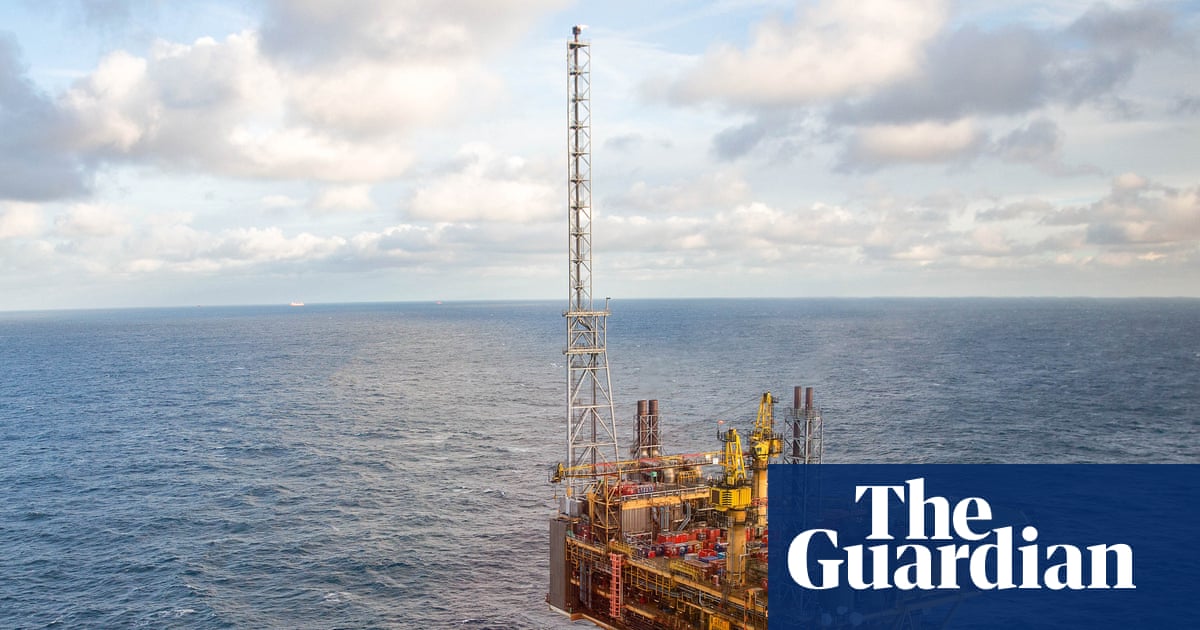
Opening new oil and gas fields in the North Sea has sparked significant concern among climate experts, who warn that such actions could undermine international climate change goals and the UK’s leadership in climate policy. Despite pressure from the oil industry and political factions advocating for new exploration, analyses suggest that developing fields like Rosebank and Jackdaw would only minimally impact UK gas imports.
Experts argue that initiating new drilling would jeopardize global efforts to reduce greenhouse gas emissions and could set a harmful precedent for developing countries considering fossil fuel exploitation. Prominent figures, such as Professor Nicholas Stern, emphasize that the UK’s pioneering role in climate action is being jeopardized by such decisions.
Christiana Figueres warns against extending the lifespan of declining fossil fuel industries and advocates for investing in clean domestic energy as the true path to energy independence. Moreover, a planned conference in Colombia on transitioning away from fossil fuels may be undermined if the UK approves new oil projects, sending a negative signal to developing countries.
Officials and climate advocates assert that the UK should lead by example; if it prioritizes fossil fuel investments, it risks encouraging other nations to follow suit, particularly those in Africa. The UK’s energy secretary, Ed Miliband, has been noted for his political commitment to climate leadership, though he will not attend the upcoming conference, further complicating Britain’s stance on the global stage.
Source link
