



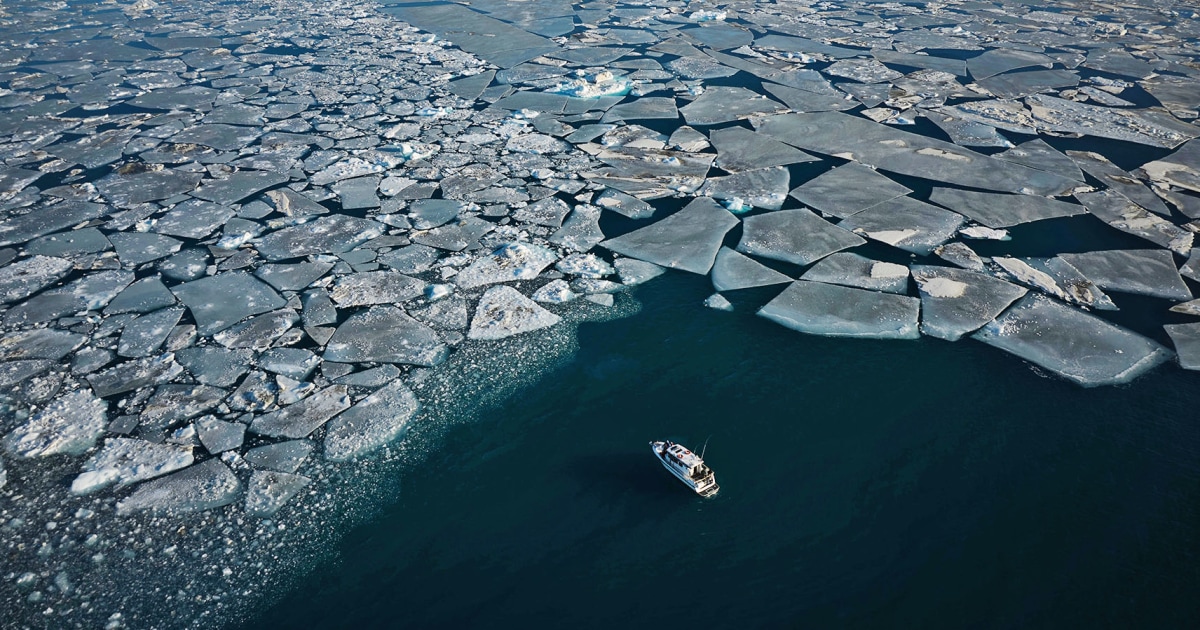
Arctic sea ice has reached its lowest winter levels on record amidst unprecedented global warming, highlighting its critical role in regulating Earth’s climate. This year’s winter peak was slightly lower than last year’s, measuring 5.52 million square miles, about 525,000 square miles less than the 1981-2010 average. The decline in Arctic ice negatively impacts wildlife, such as polar bears and seals, and is reshaping global shipping routes, leading to geopolitical tensions.
As temperatures soared in March, record heat was recorded across the U.S., Mexico, Australia, and parts of Europe. Notable climate historian Maximiliano Herrera described the extreme conditions as “the most extreme heat ever in global climate history.” Conversely, Antarctica experienced a record low temperature of minus 105.5 degrees Celsius.
Climatologists warn that ongoing warming trends are diminishing the potential for winter ice growth and affecting summer melt seasons. The decrease in summer sea ice could worsen heat absorption in the oceans, which subsequently influences weather patterns. While current conditions signal a troubling impact of climate change, the relationship between winter ice and summer melt remains complex and variable. Overall, these shifts underscore the urgent need to address global warming and its effects on polar climates.
Source link
