



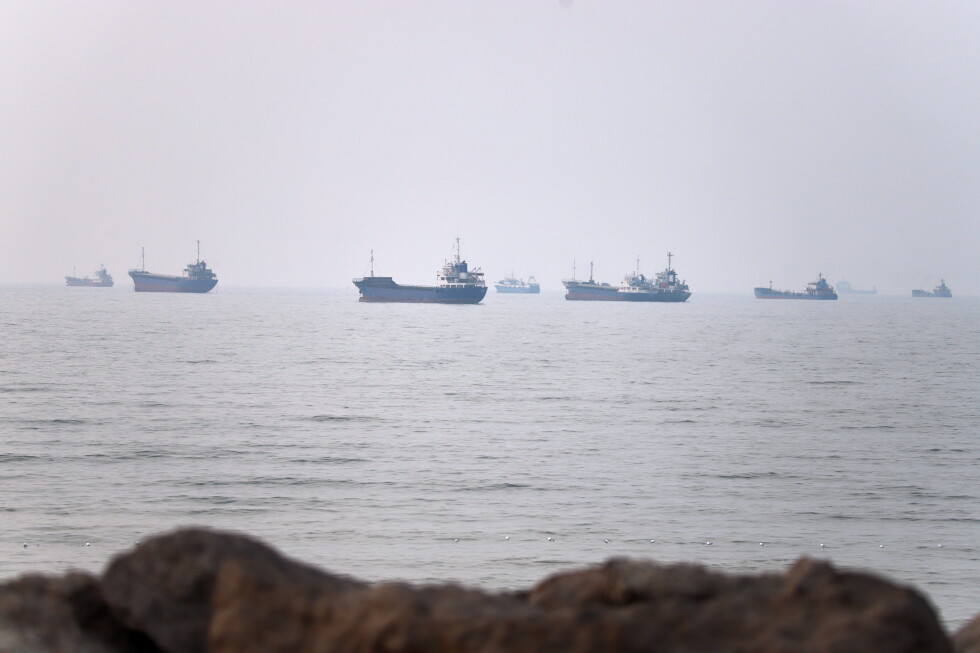
Global oil demand is projected to decline this year for the first time since 2020, with an average decrease of around 1 million barrels per day expected by 2026, driven by high prices and supply disruptions, largely due to ongoing U.S.-Iran tensions. A key issue is the Strait of Hormuz, where a crude oil-laden ship was stuck for over three months, creating navigation challenges.
May’s global oil demand averaged 97.9 million barrels per day, down 5.3 million year-over-year, particularly affected by a notable 9% drop in China, which reduced its oil purchases significantly to manage rising prices and excess inventories. However, the U.S. saw gasoline consumption increase, despite high prices exceeding pre-war levels.
China’s strategy included halting the draw from its Strategic Oil Reserve and promoting electric vehicle use, which has mitigated potential spikes in oil prices. Recent conflicts in the region have not drastically influenced prices due to a combination of reduced demand and market adjustments.
Additionally, oil supply increases were countered by severe damage to refineries in Russia and the Middle East, maintaining high prices for refined products. In the U.S., despite gasoline averaging over $4.50 per gallon, consumption rose as household income pressures shifted. Many people are transitioning back to office work, affecting overall fuel usage.
Source link
