



An outbreak of Legionnaires’ disease in New York City, particularly in the Upper East Side, has affected at least 28 individuals. Health officials are investigating by sampling water from approximately 160 cooling towers in buildings to contain the situation. Dr. Alistair Martin, the city’s health commissioner, noted that climate change is intensifying the risk of such outbreaks, attributing the city’s "subtropical climate" to increased exposure.
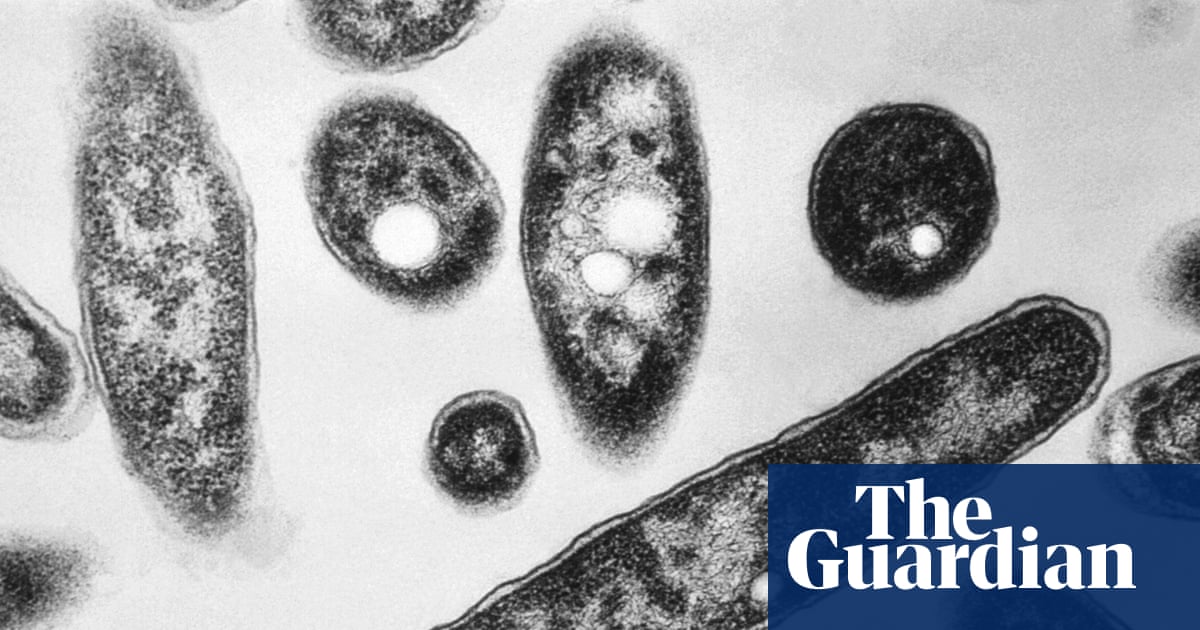
Legionnaires’ disease, caused by the bacterium Legionella pneumophila, can lead to severe pneumonia and is typically contracted from inhaling contaminated mist. Although the disease is rare, it has a notable mortality rate among those infected. The name originates from a 1976 outbreak among American Legion veterans in Philadelphia.
The disease disproportionately affects marginalized communities, raising concerns among local leaders, particularly due to previous outbreaks being linked to lower-income neighborhoods. Authorities are working to identify buildings responsible for the current outbreak but acknowledge that epidemiological testing will take time.
Experts emphasize that while the disease is uncommon, residents should be vigilant for symptoms like fever and cough. Climate change continues to create favorable environments for the bacteria, complicating public health efforts.
