



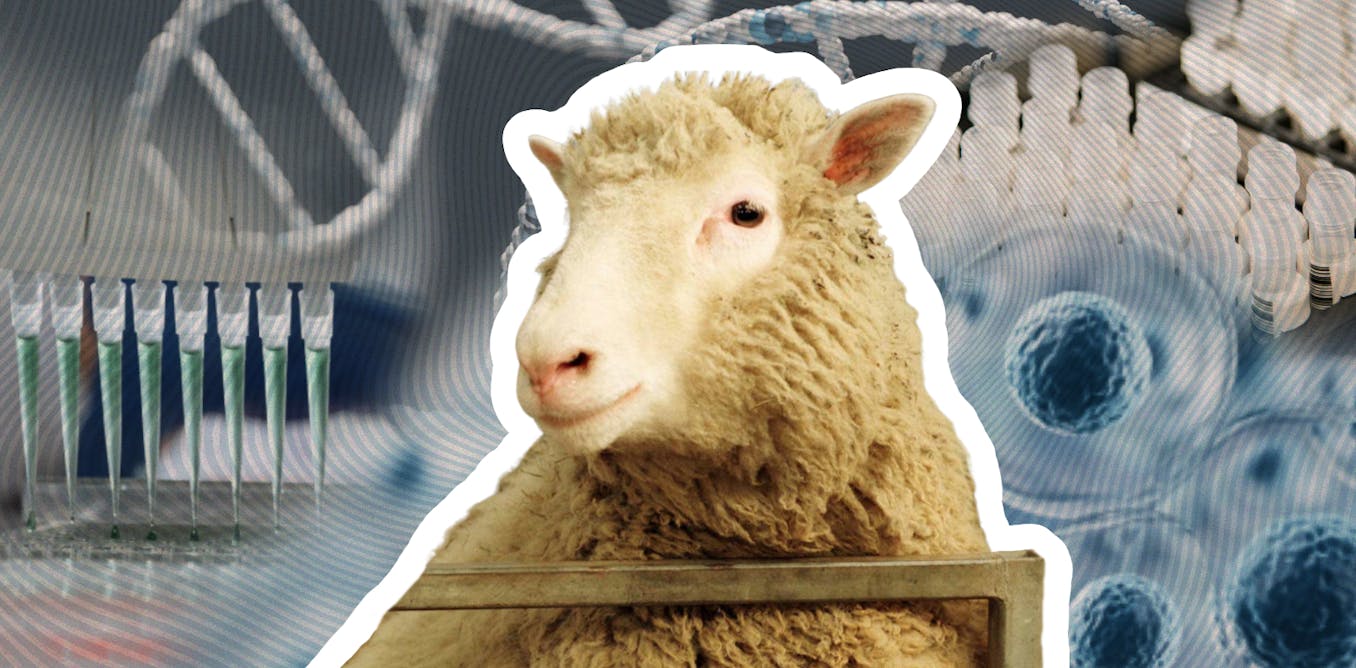
Dolly the sheep, born 30 years ago, was the first cloned mammal and became a symbol of scientific innovation. Her birth led to dreams of cloned pets, humans, and even the resurrection of extinct species like woolly mammoths, but the reality of cloning is far more complex.
Cloning involves somatic cell nuclear transfer, where non-reproductive cells are used to create an embryo. Despite advances, mammalian cloning remains inefficient, requiring many attempts and specialized resources. The challenge lies in reprogramming specialized adult cells to behave like embryonic ones, a process known as epigenetic reprogramming, which often fails.
Cloning has become a valuable biotechnological tool. It aids in disease research, conservation efforts, and livestock improvement. For instance, cloned animals can reproduce desirable traits, and cloning has been successfully used to recover endangered species like the black-footed ferret.
However, aspirations for de-extinction face challenges due to incomplete genetic material and ecological considerations. While human cloning has been speculated upon, ethical and safety concerns have kept it off the table, with many countries imposing strict regulations.
Overall, cloning has improved our understanding of genetics, agriculture, and conservation, but considerable difficulties and ethical questions remain regarding its applications.
Source link
