



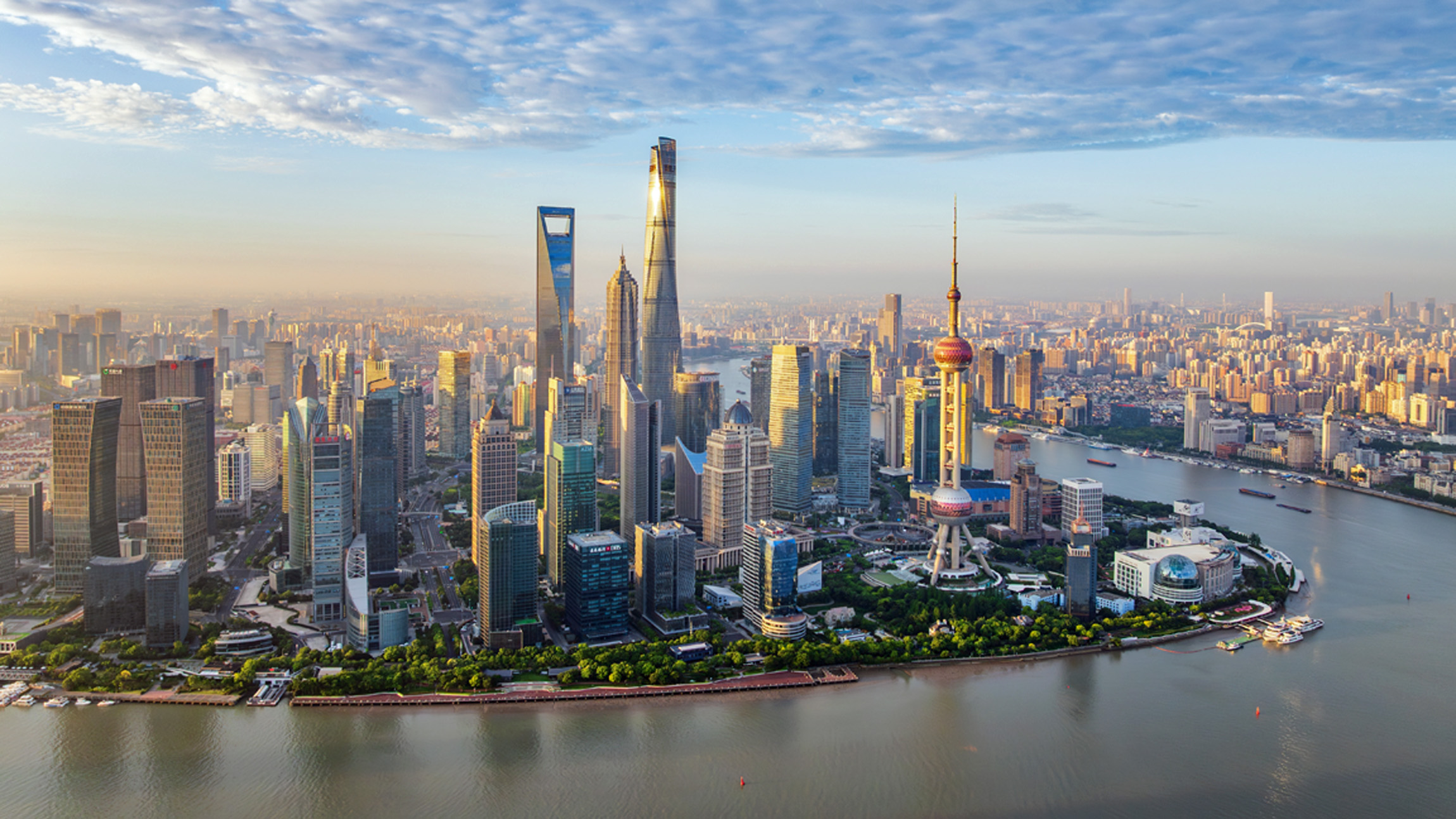
The article discusses the rapid urban expansion worldwide, which is leading to the replacement of natural spaces with concrete structures, reducing plant life and increasing city temperatures. Global warming compounds this issue with higher carbon dioxide levels and changing weather patterns stressing urban plants. Research indicates that urban areas that develop beyond 2.25 square miles annually experience lower plant productivity. In contrast, cities that develop more slowly retain healthier vegetation.
A comprehensive study analyzed data from 2,126 global cities from 1982 to projected changes in 2100, utilizing satellite imagery and models. The findings reveal that urban development is accelerating, with North American and Asian cities adding considerable new developments yearly. Many cities are losing vegetation, significantly impacting productivity and carbon absorption capabilities. This trend could worsen urban heat, affecting overall city resilience.
Urban greenery is essential for cooling, air quality, and mental health. The study highlights the need for preserving green spaces in rapidly developing cities while maintaining healthy vegetation in slower-growing areas to harness climate benefits. Ultimately, the study advocates for urban ecological health, linking it to the well-being of city inhabitants.
Source link
