



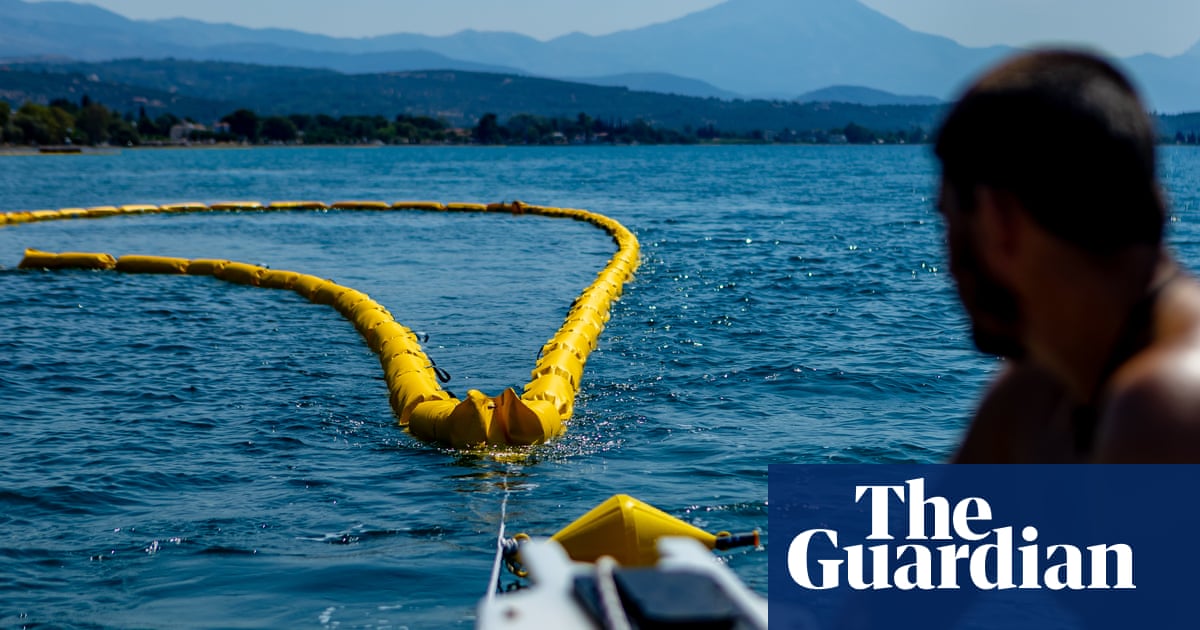
In a serene bay in Greece, retired truck driver Pavlos Belyanis enjoys watching his grandchildren play, feeling reassured by newly installed floating barriers designed to protect swimmers from dangers previously assumed to be limited to jellyfish. Last summer, an uptick in pufferfish attacks, particularly the poisonous long-toothed pufferfish, prompted local authorities to take action, issuing health warnings about serious injuries and potential death from bites.
Chalkida’s deputy mayor, Antonis Spanos, spearheaded the barrier installation as a preventative measure, aiming to provide safer swimming conditions in tandem with addressing the jellyfish problem. With more barriers planned along the coast, local residents, especially seniors, feel safer swimming again.
The pufferfish, a significant new threat, is part of a larger issue of invasive species in the eastern Mediterranean. As these fish spread, authorities are implementing capture programs and financial incentives to remove them, although some local fishermen doubt the effectiveness of these measures. Meanwhile, environmental and ethical concerns about extermination efforts have prompted protests from groups advocating for pufferfish protection.
Despite reassurances from marine scientists regarding the rarity of human attacks, locals like Belyanis remain wary, advocating for widespread protection measures across Greece as they continue to confront the evolving challenges in their waters.
Source link
