



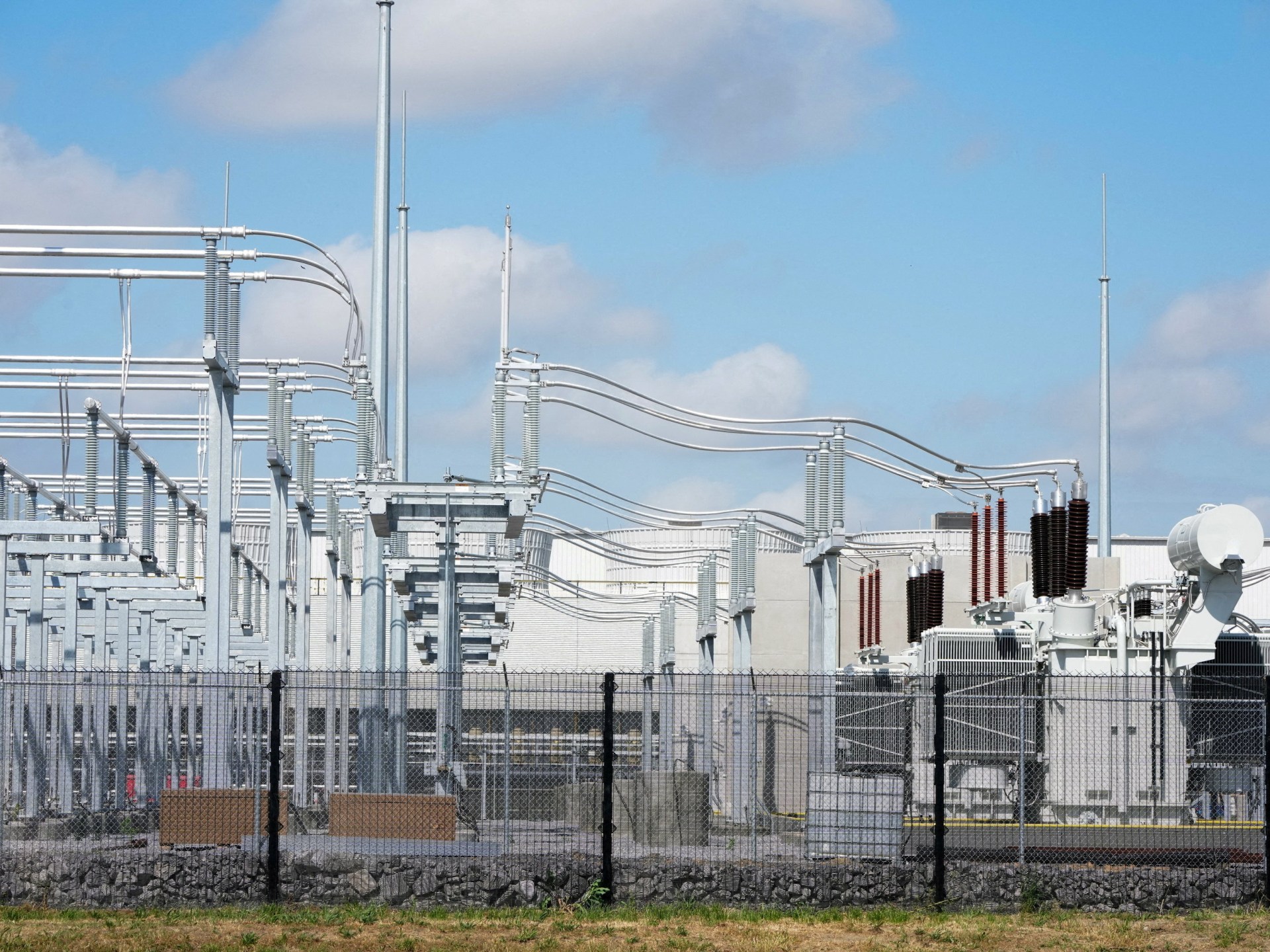
A massive heatwave in the U.S. is straining the power grid and water supply, raising concerns about the rapid expansion of AI data centers that require significant electricity and water. As the U.S. builds more data centers to support AI growth, utilities and policymakers warn that the infrastructure for power and water is lagging behind. Bipartisan calls for stricter oversight are emerging, with figures like Texas Governor Greg Abbott advocating for a construction ban and prominent politicians like Bernie Sanders and Alexandria Ocasio-Cortez supporting a moratorium on new centers.
Currently, data centers account for 4% of U.S. electricity demand, projected to rise to 9% by 2030. The ongoing heatwave challenges existing power systems, with operators like PJM Interconnection urging data centers to switch to backup power during emergencies to alleviate strain on residential users.
Experts highlight that data center cooling systems can consume up to 40% of their electricity under normal conditions, and this increases with rising temperatures, creating heat islands that exacerbate local climates. Data centers also significantly impact water systems; they currently consume approximately 627 million gallons of water daily, which intensifies during heatwaves due to increased cooling needs. Many new data centers are being developed in already water-stressed regions, worsening the situation.
With projections for water use in some data centers comparable to that of a city of 50,000 people, local officials express concern about their impact on fresh water supplies, especially in drought-affected areas like Corpus Christi, Texas. The growing demand for AI is expected to increase both electricity and water consumption, intensifying existing pressures on already vulnerable infrastructure.
Source link
