



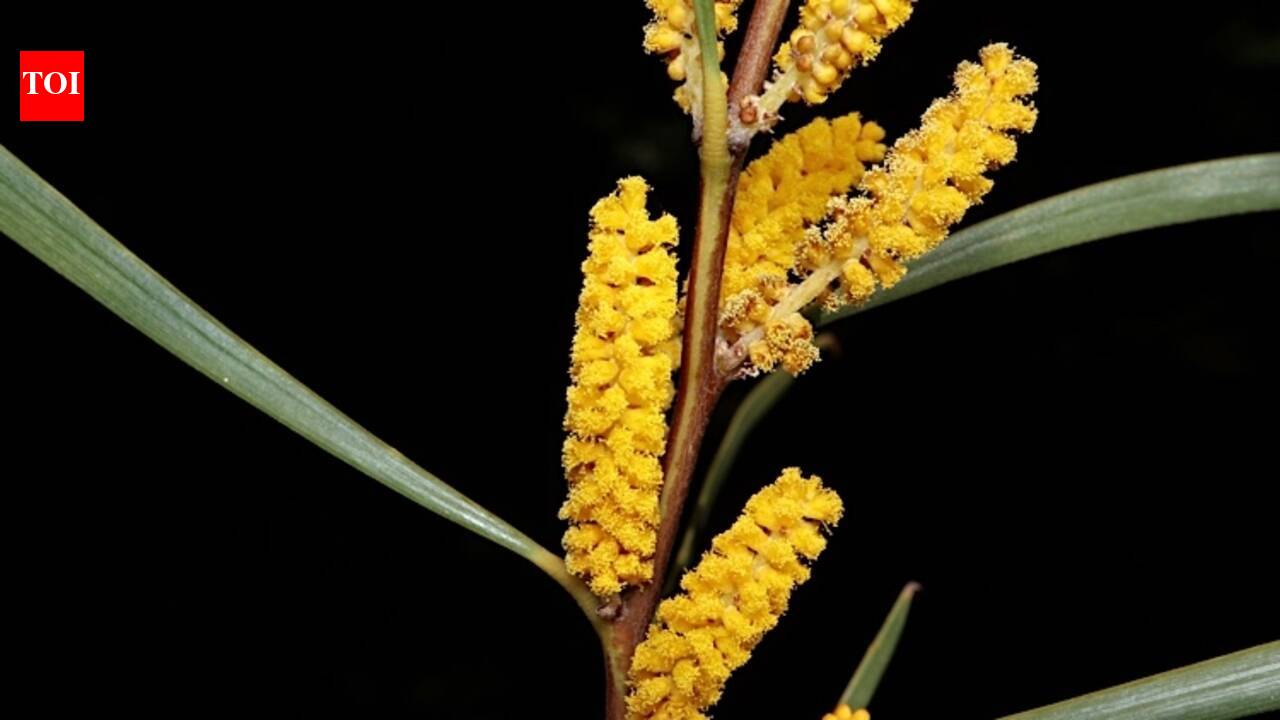
South Africa is grappling with a significant water crisis linked to invasive Australian trees introduced over a century ago. Originally brought in to stabilize sand dunes and provide timber, these trees have now spread extensively, consuming vast amounts of water and drastically reducing river flows that local communities rely on.
A recent study titled “Invasive alien trees and water resources in South Africa: A case study of management costs and benefits” highlights how these non-native trees consume more water than local flora, leading to reduced daily river flows. The study compares various watersheds and reveals alarming potential future flow reductions if management efforts are not implemented.
The invasive Australian acacias have deeper root systems and thicker canopies, which result in higher water loss through evaporation and a direct draw from rivers, diminishing reservoir supplies. Their proliferation displaces native plants, alters soil quality, and increases erosion, making ecosystems less resilient.
In response, South Africa has initiated large-scale cleanup programs to remove these invasive trees and restore native vegetation. These efforts involve local communities and have shown that the economic benefits of removal outweigh operational costs. However, the acacias’ ability to produce long-lasting seeds complicates restoration, necessitating ongoing management to prevent re-invasion. The study underscores the long-term consequences of historical ecological decisions and advocates for careful management of introduced species to protect water security.
Source link
