



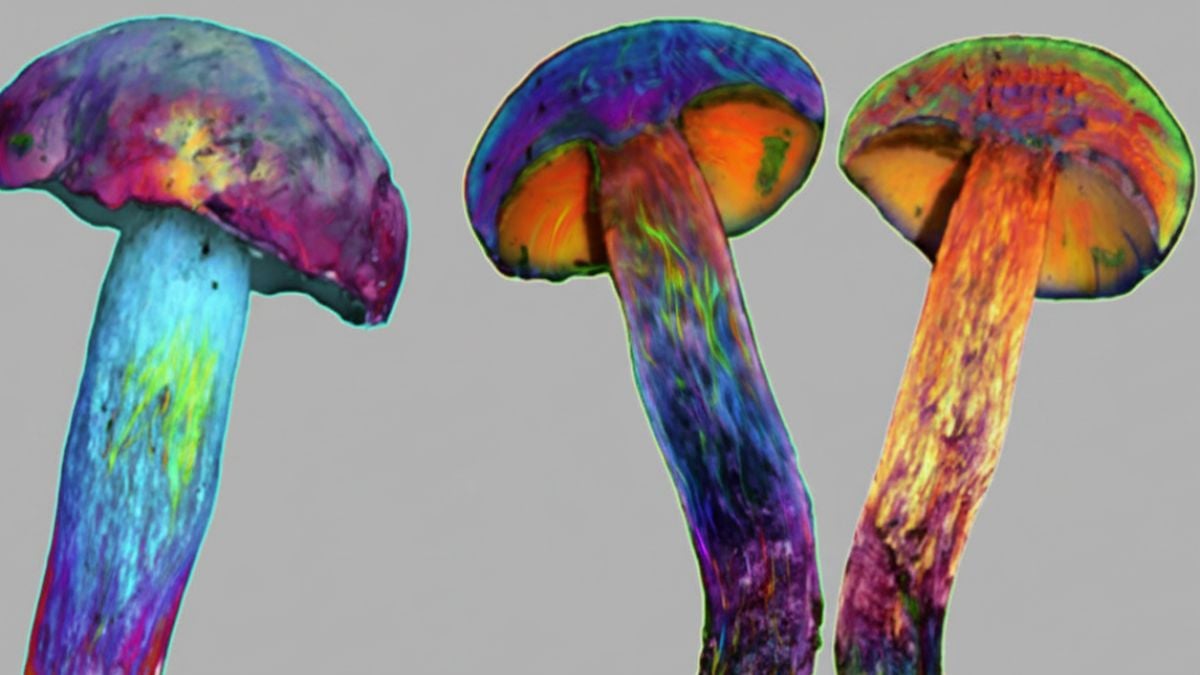
Scientists have discovered that Lanmaoa asiatica, a mushroom sold in Yunnan, China, can cause vivid hallucinations of miniature humans when eaten undercooked, a phenomenon dubbed "dwarf hallucinations." Despite these effects, a study by University of Utah mycologists found no genetic link to known hallucinogens like psilocybin or ibotenic acid. Instead, they propose a novel unidentified metabolite could be responsible for these unique hallucinations.
The study involved sequencing the genomes of 53 samples from the Ranmaoa genus, revealing two new species and identifying 1,515 genes that define the genus. The findings underscore the importance of proper mushroom classification to prevent misidentification of edible and toxic species, which poses public health risks.
Researchers stress the need for deeper taxonomic understanding and see potential in determining how these mushrooms affect the mind. The study outlines a genomic basis for future investigations into the evolutionary history and chemical properties of Ranmaoa, with implications for drug discovery as well. The full results were published in Mycologia.
