



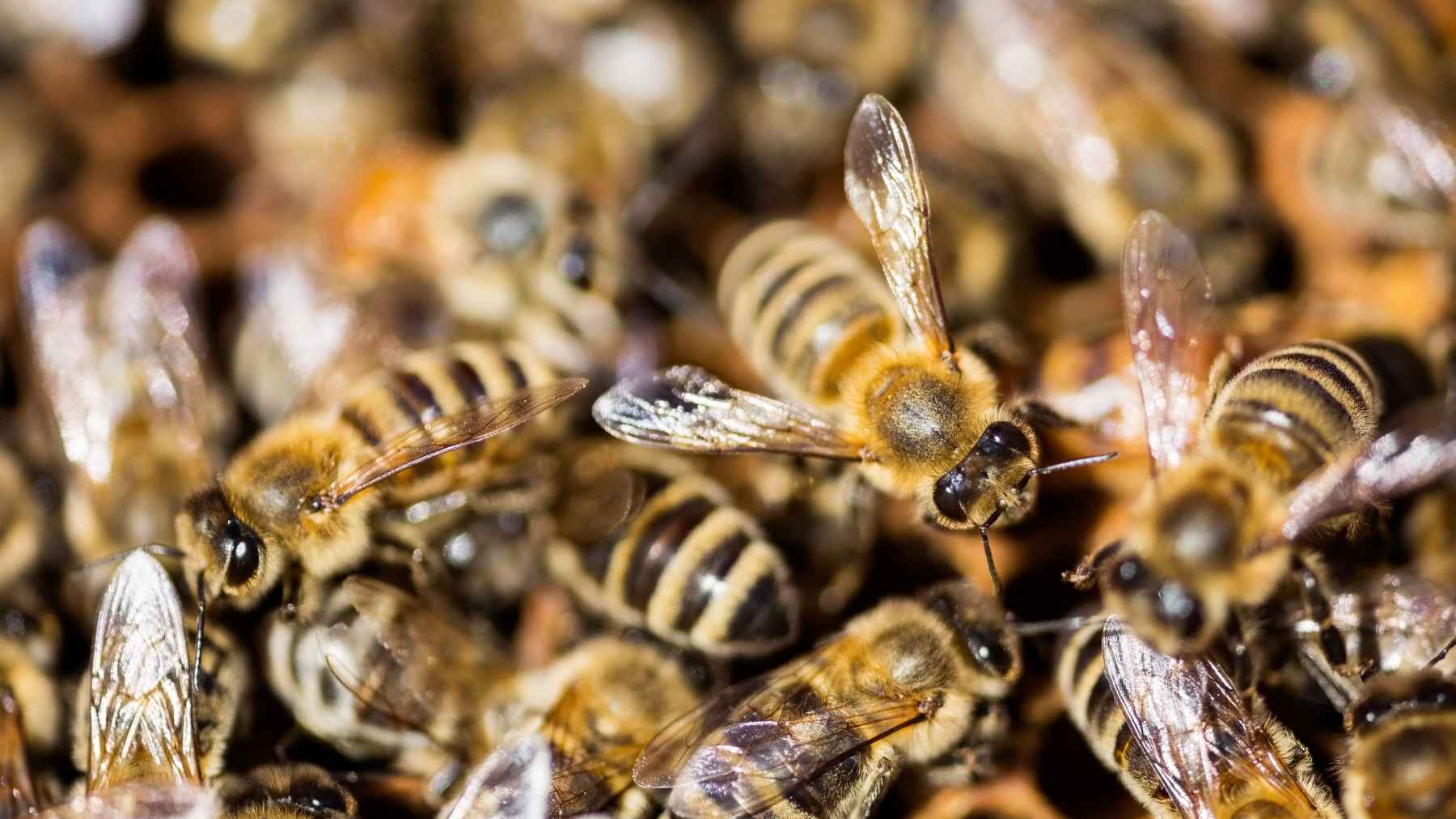
A new study suggests that the intestinal contents of wild bees can serve as indicators of urban environmental health. Researchers found that by analyzing the DNA in the guts of the solitary mason bee, Osmia excavata, they could assess local plant diversity and environmental stressors that typical wildlife surveys might miss.
Why Bees Matter:
Bees collect not only pollen but also microorganisms and chemicals as they forage, making them valuable "biomonitors" of their environments. Past research shows that urban honey can pinpoint pollution levels, but gut analysis provides deeper insights into how bees interact with their habitats.
Study Insights:
Conducted at urban agricultural sites in Suzhou, China, the study used metagenomic sequencing to analyze bee gut samples. This method allowed researchers to identify the types of plants bees relied on, as well as detect signs of stress like antibiotic resistance and viral presence.
Urban Ecosystem Recommendations:
Findings emphasize that urban areas, though appearing green, may lack diverse food sources for bees. The study highlights the need for urban planners to increase native plant diversity, ensure consistent flowering, and minimize harmful chemicals. Proper management of lands shared by managed and wild bees is also essential to prevent pathogen transfer.
Overall, improving urban biodiversity could lead to healthier pollinators, enhanced fruit production, and more successful urban agriculture. The study’s results underscore that it’s not just about having plants, but the right mix at the right time for robust urban ecosystems.
