



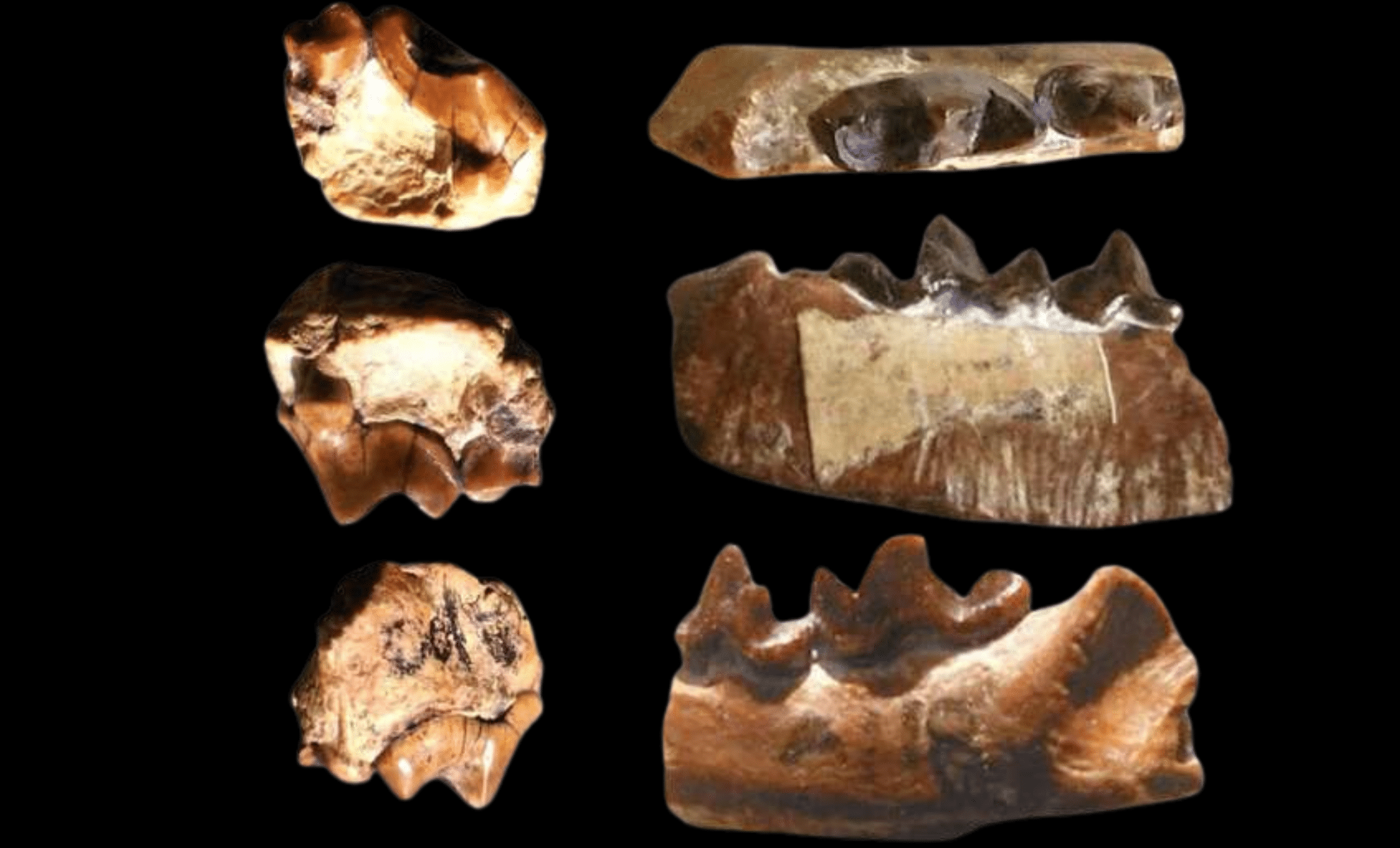
Researchers, led by Dr. Stephen Jasinski from Harrisburg University, have made significant discoveries in the Himalaya hills of northern India, uncovering fossil specimens of ancient carnivorous mammals that lived between 10 and 4 million years ago. Their findings, published in the Journal of Mammalian Evolution, enhance understanding of the evolution of carnivorous mammals and their role within the Siwalik Group’s diverse ecosystem, which spans Pakistan, India, Nepal, and Bhutan.
The research identified new fossil materials, including partial skulls, jaws, and teeth, marking the discovery of the first upper jaw of the rare Muslid Martez Riddeckelli and small fossil cats, alongside two newly identified species: mutrids and vivarids. One notable species, circamustela bhapralensis, is the first mastrid reported in India, having migrated from Europe over 5 million years ago and adapted to the Himalayan region. The second species, vishnuictis plectiledous, is a large viverrid with a complex diet, potentially growing as large as a leopard.
Dr. Jasinski emphasized that these fossils provide valuable insight into ancient Himalayan ecosystems and highlight the biodiversity changes during global cooling periods. The study also suggests migratory links between Europe and Asia during the late Middle Ages, indicating that small mammals may have traversed the continent during the late Miocene (10-5 million years ago).
The research aims to understand how ancient species adapted to environmental changes, with implications for predicting future ecological responses to climate change. It underscores the importance of fossil records in grasping Earth’s evolutionary history and their relevance in conservation efforts. Ongoing research aims to uncover additional fossils to further illuminate the ancient ecosystems of the Himalayas.
Source link
