



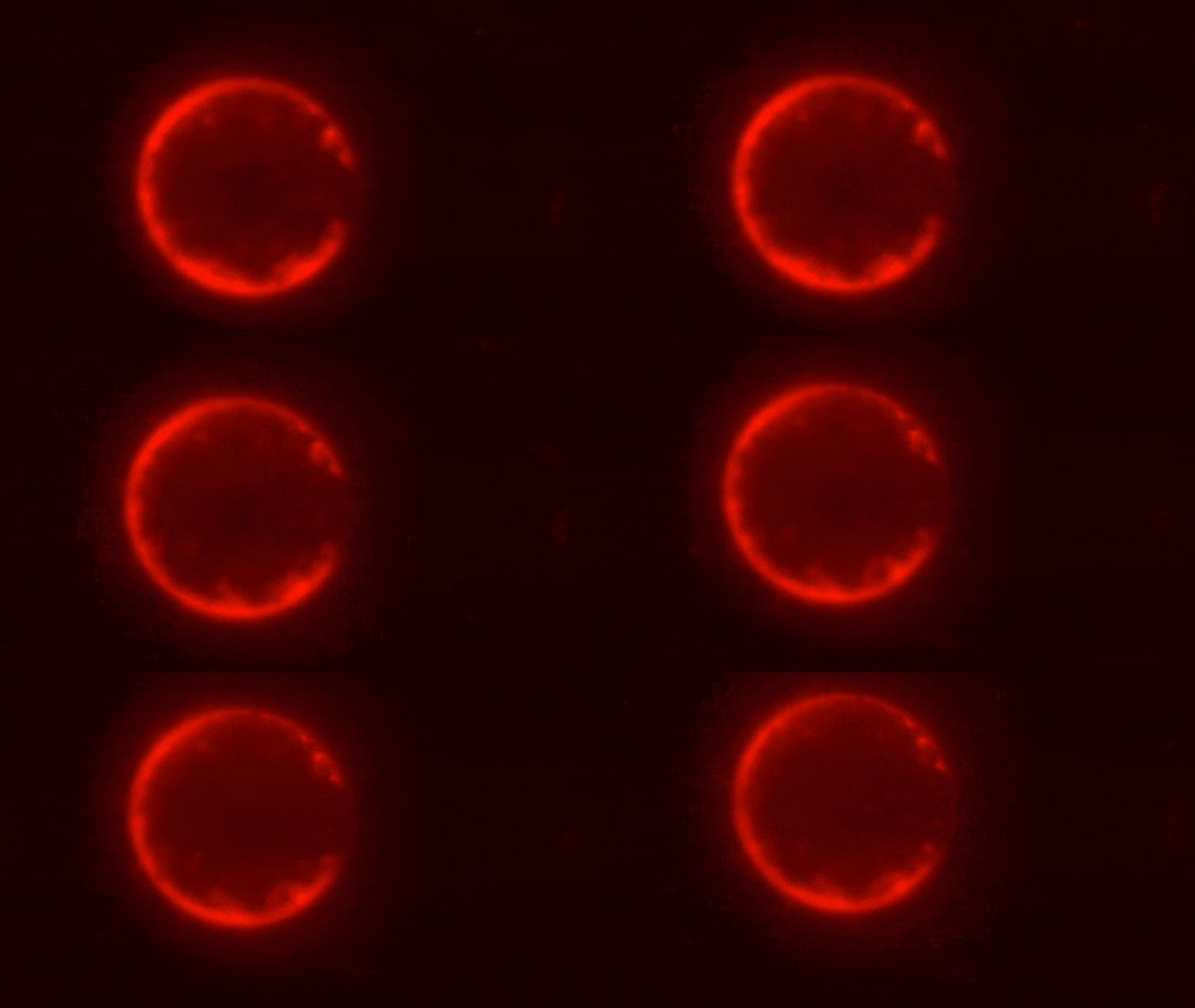
Researchers at the University of Minnesota have developed the first synthetic cell, named SpudCell, entirely from non-living components, marking a significant milestone in synthetic biology. The project, led by synthetic biologist Kate Adamara, demonstrates that basic life functions like growth and reproduction can be achieved without biological materials. SpudCell’s genome is 90 kilobase pairs (kbp), far less than the 113 kbp previously deemed necessary for life, surprising the scientific community.
SpudCell consists of liposomes that encapsulate seven plasmids of DNA, enabling protein expression and essential cellular behaviors. However, it faces limitations: SpudCell cannot self-replicate over generations and has a high metabolic demand, making it less efficient than natural cells. The project’s preliminary results have not been peer-reviewed yet and have encountered skepticism within the scientific community regarding their authenticity.
Despite these challenges, researchers believe that synthetic cells like SpudCell could pave the way for future technologies, such as mini-biological factories for producing drugs and other materials. Adamara envisions enhancing SpudCell’s capabilities in future studies, aiming to create a fully functional synthetic cell with robust metabolic pathways and cellular structures. The full results are detailed in a preprint available on the website of Biotic, a nonprofit institute co-founded by Adamara.
Source link
