



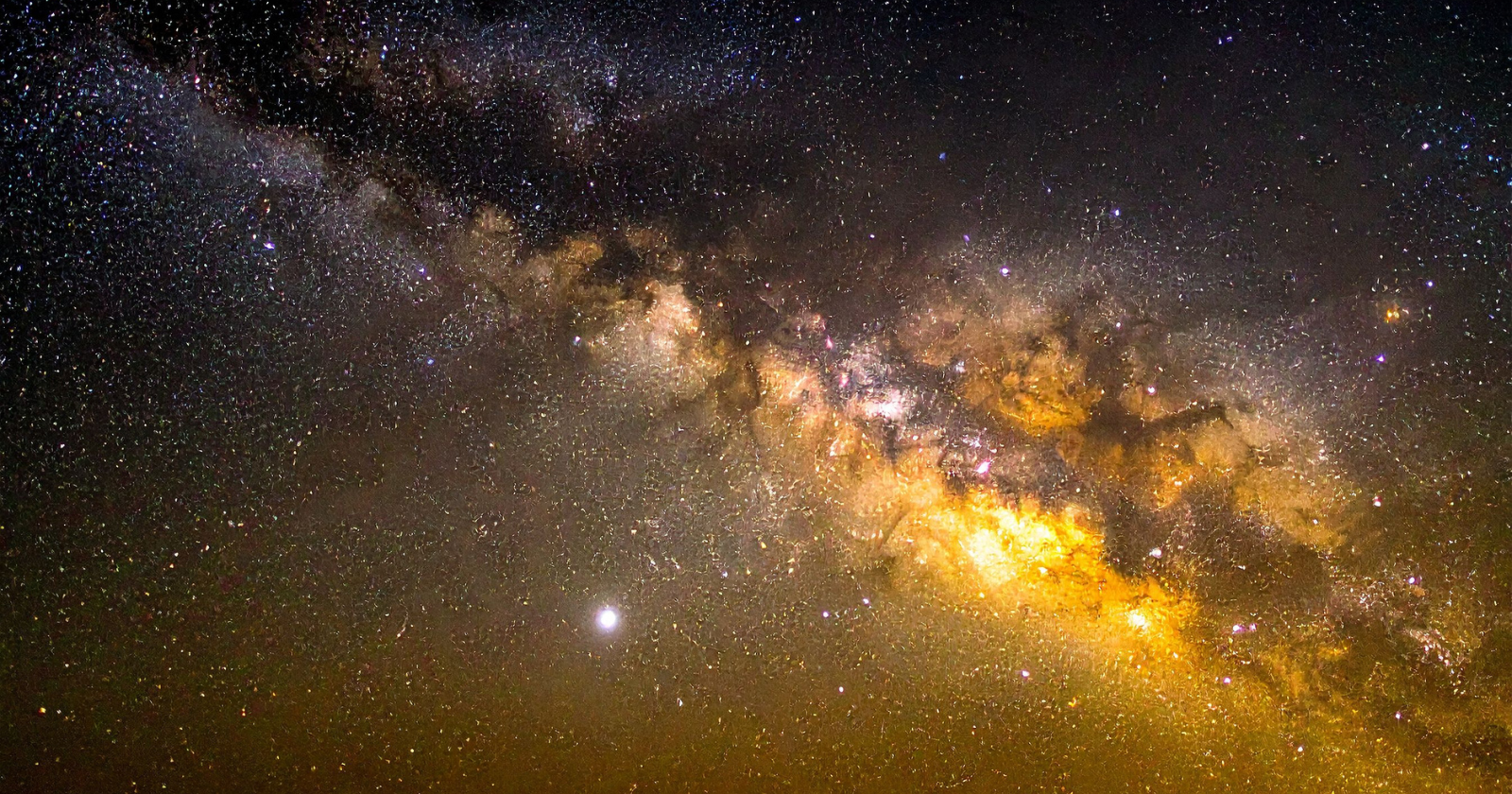
On December 27, 2004, a massive flare from the magnetar SGR 1806-20 was detected, significantly impacting Earth’s upper atmosphere and saturating detectors designed for high-energy events. Originating from a neutron star in Sagittarius, the flare’s energy output in the first 0.2 seconds was equivalent to the Sun’s emissions over 250,000 years. This energy estimate is complex, influenced by the distance to the magnetar, which has been revised to between 6.4 and 9.8 kparsecs.
NASA and European spacecraft captured the event, with instruments like RHESSI and INTEGRAL recording its intense first pulse and subsequent tail modulated by the star’s rotation. Although the flare didn’t harm Earth, it produced measurable ionospheric disturbances, illustrating a rare interaction between distant astrophysical phenomena and our planet’s atmospheric conditions.
The flare has drawn attention for its potential connection to short-duration gamma-ray bursts, although it does not explain all such events. The findings emphasize the need for careful interpretation of distant transient signals, with ongoing studies necessary to understand the frequency and nature of magnetar flares. This event highlights the capabilities of high-energy astrophysics to bridge cosmic phenomena and terrestrial effects, prompting questions about how often similar occurrences might be recorded across the universe.
Source link
