



The article highlights the unique charm and slower pace of various Gulf Coast towns, contrasting them with more commercialized beach destinations.
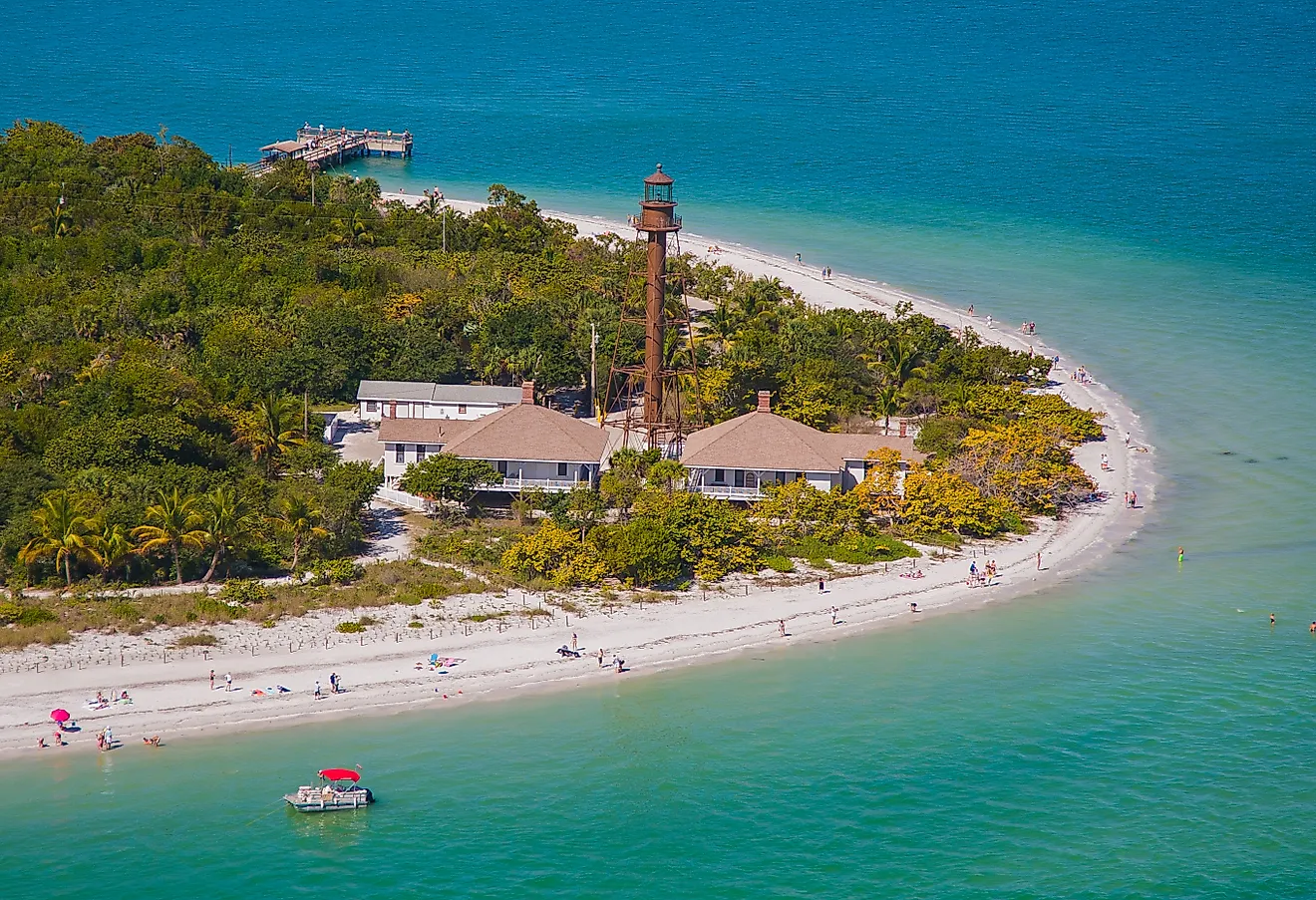
Sanibel Island, Florida, is described as a low, green paradise due to strict building codes, with natural beauty and shelling opportunities. Recovery from Hurricane Ian is ongoing, but the island remains tranquil.
Longboat Key, Florida, lacks a bustling downtown, offering instead residential areas and peaceful parks amid natural beauty. It’s quiet compared to the nearby Sarasota.
Pass Christian, Mississippi, known for its historic port and community markets, has gradually rebuilt after Hurricane Katrina, maintaining a local, relaxed vibe.
Dauphin Island, Alabama, focuses more on its natural environment, featuring bird sanctuaries and a serene atmosphere, with historical sites like Fort Gaines.
Cedar Key, Florida, is characterized by its clam farming heritage and small-town life, with a slow recovery from recent hurricanes.
Anna Maria Island, Florida, is calm and community-centric, with a focus on sustainability and local history.
Surfside, Texas, offers a quiet escape often overshadowed by Galveston, known for its natural beaches and wildlife refuges.
Grand Isle, Louisiana, is recognized for its fishing community and recovering from Hurricane Ida, maintaining its natural landscapes.
Overall, these towns emphasize a less hurried lifestyle, where activities align more with nature’s rhythms than scheduled events, fostering a peaceful retreat for visitors.
