



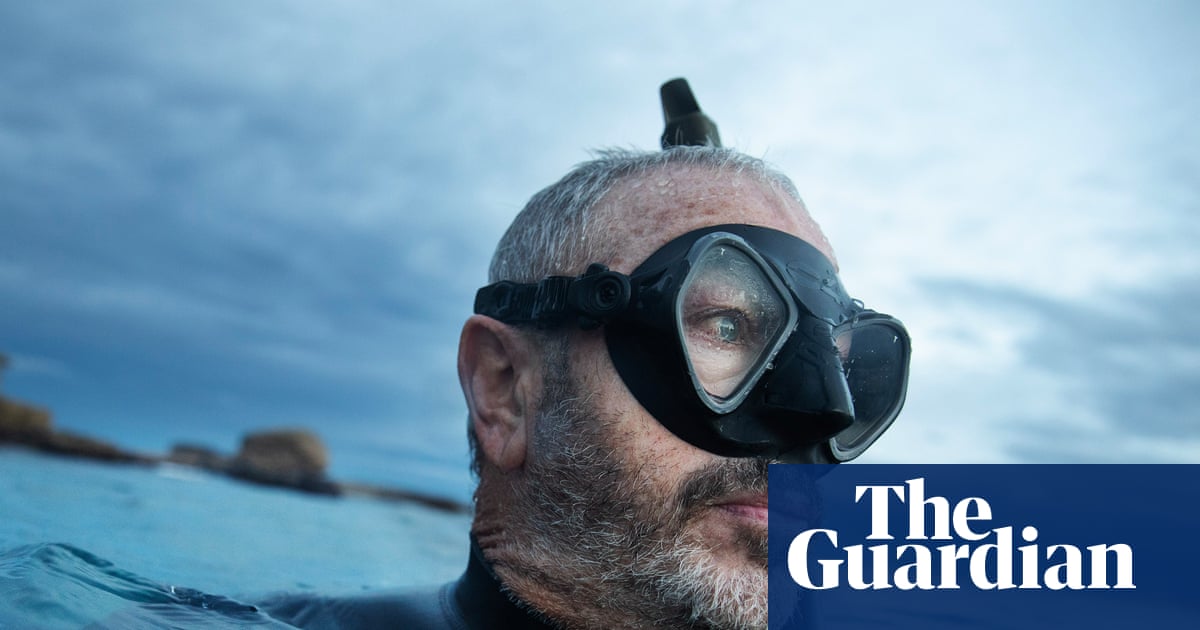
On a warm winter morning in Sydney, Rob Harcourt reflects on the growing fears gripping local surfers due to recent shark attacks. Despite enjoying his surf sessions, many of his friends have stepped back from the waves following alarming incidents, including the serious injury of Leah Stewart, whose arm was amputated after a shark bite, leaving her in critical condition.
Sydney has seen an increase in shark bites, with Australia having the second-highest global occurrence. While bites were relatively rare decades ago, incidents have risen significantly since the 2000s. Factors contributing to this trend include the proximity of human populations to the habitats of species like great whites and bull sharks, coupled with environmental changes such as warming oceans that impact shark behavior.
The spike in bites has coincided with a resurgence of marine life that sharks prey upon. Although there’s speculation about increased shark populations, Harcourt notes that records from shark nets do not indicate a significant rise. Experts highlight the complexity of understanding shark behaviors, stating that many variables influence the likelihood of attacks.
Public reactions to shark incidents often reflect fear of the unknown, with studies showing surfers are generally less afraid of sharks compared to average beachgoers. Despite various safety measures and ongoing debates over shark culling, experts encourage public education and improved safety technologies rather than lethal solutions, as many believe they are ineffective and ecologically harmful.
The dialogue surrounding shark safety continues to evoke mixed emotions, balancing human fears with the ecological importance of these predators.
Source link
